

Best Accounting Software for Small Businesses in 2026: Features, Pricing & Reviews
Managing finances has always been one of the biggest challenges for small business owners. In 2026, accounting software has become smarter, faster, and more intuitive than ever before. Modern tools now go far beyond basic bookkeeping, offering automation, real-time insights, and seamless integrations that help businesses save time and make better financial decisions.
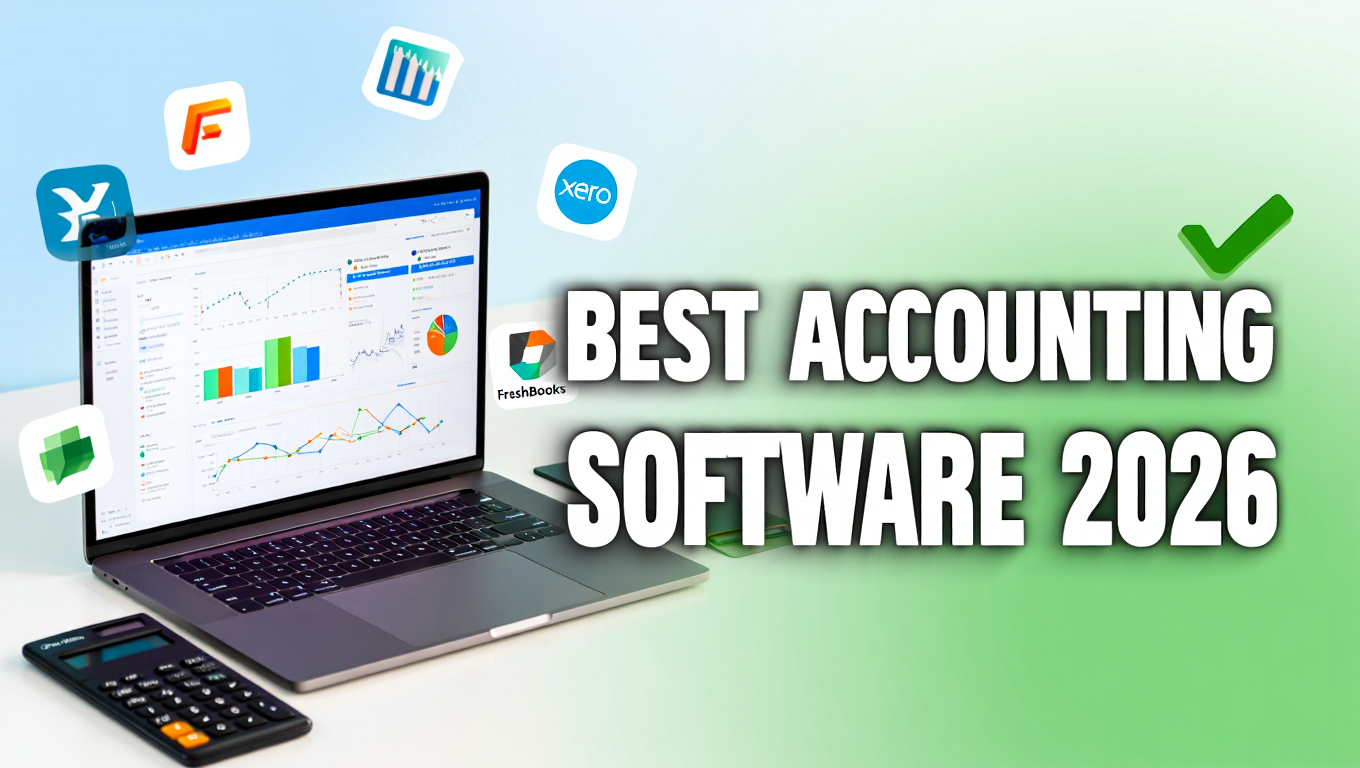
This article reviews the best accounting software for small businesses in 2026, focusing on core features, pricing structures, and honest evaluations to help you choose the right solution for your needs.
Why Small Businesses Need Accounting Software in 2026
Running a small business today means dealing with invoices, expenses, payroll, taxes, and financial reporting—all while trying to grow. Manual accounting or outdated systems increase the risk of errors and wasted time.
Modern accounting software helps small businesses:
-
Automate repetitive financial tasks
-
Track cash flow in real time
-
Stay compliant with tax regulations
-
Gain clear insights into business performance
-
Scale easily as the business grows
With cloud-based access and AI-powered tools, accounting in 2026 is no longer just about numbers—it’s about strategy.
Top Accounting Software for Small Businesses in 2026
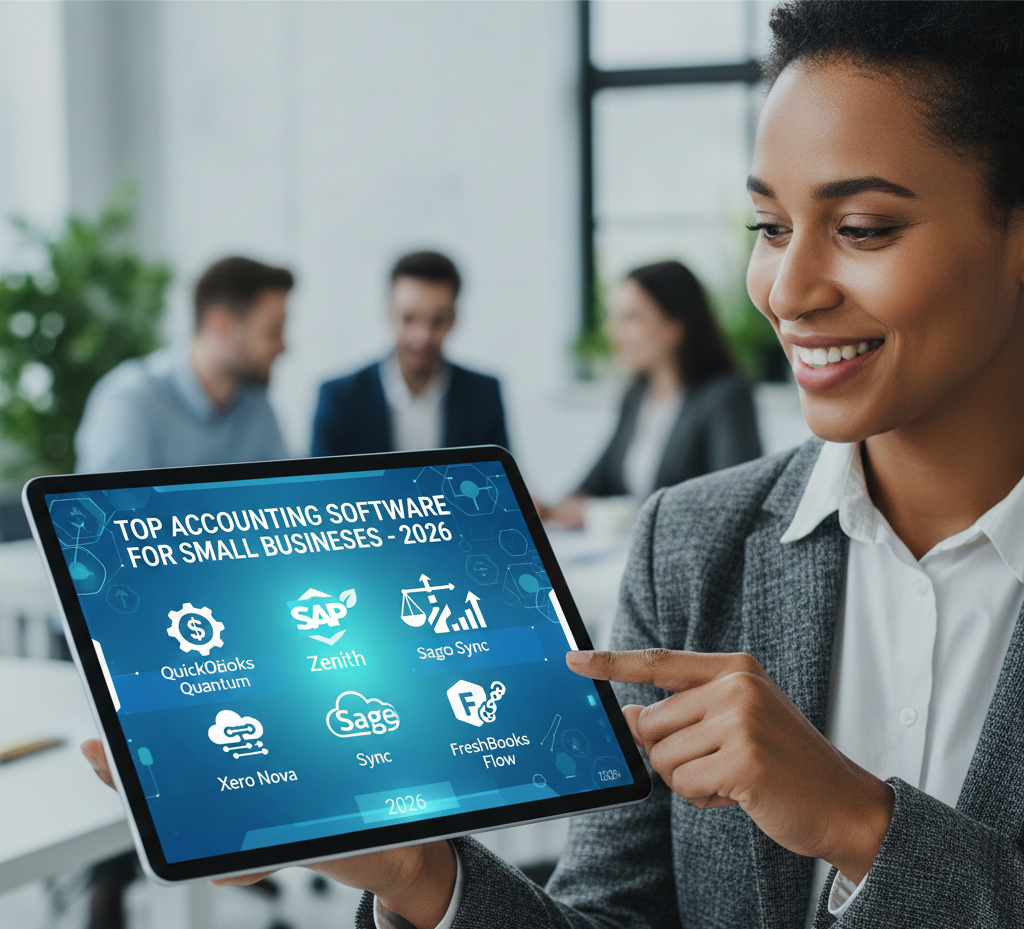
1. QuickBooks Online
Best for: All-around small business accounting
Key Features:
-
Automated expense tracking
-
Customizable invoices and estimates
-
Real-time financial dashboards
-
Tax calculation and reporting tools
-
Integration with banks and third-party apps
Pricing:
Starts from affordable monthly plans, with higher tiers for advanced reporting and payroll features.
Review:
QuickBooks Online remains a top choice in 2026 thanks to its reliability and wide feature set. It’s easy to use for beginners but powerful enough for growing businesses.
2. Xero
Best for: Businesses with global transactions
Key Features:
-
Multi-currency support
-
Real-time bank reconciliation
-
Inventory and purchase order tracking
-
Collaboration with accountants
Pricing:
Flexible plans based on the number of invoices and users.
Review:
Xero stands out for its clean interface and strong international features. It’s ideal for small businesses working with overseas clients or suppliers.
3. FreshBooks
Best for: Freelancers and service-based businesses
Key Features:
-
Professional invoicing
-
Time tracking and project billing
-
Expense management
-
Simple financial reports
Pricing:
Subscription plans based on the number of billable clients.
Review:
FreshBooks is designed with simplicity in mind. In 2026, it continues to be a favorite for freelancers who want fast invoicing without complex accounting features.
4. Zoho Books
Best for: Cost-effective accounting solutions
Key Features:
-
End-to-end accounting automation
-
Client portal for invoices and payments
-
Tax compliance tools
-
Seamless integration with Zoho ecosystem
Pricing:
Very competitive pricing, with free plans available in some regions.
Review:
Zoho Books offers excellent value for money. It’s a strong option for small businesses that want advanced features without high monthly costs.
5. Wave Accounting
Best for: Startups and micro-businesses
Key Features:
-
Free accounting and invoicing
-
Receipt scanning
-
Basic financial reports
Pricing:
Core accounting tools are free; payroll and payments require add-ons.
Review:
Wave remains a popular choice for businesses on a tight budget. While it lacks advanced features, it’s perfect for simple bookkeeping needs.
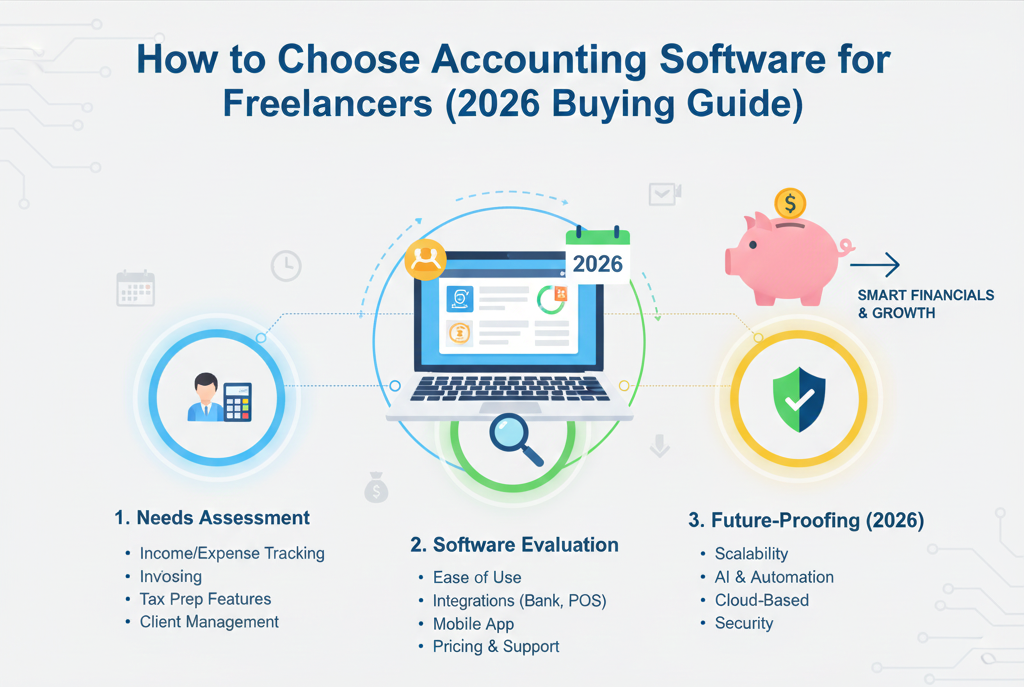
How to Choose the Right Accounting Software
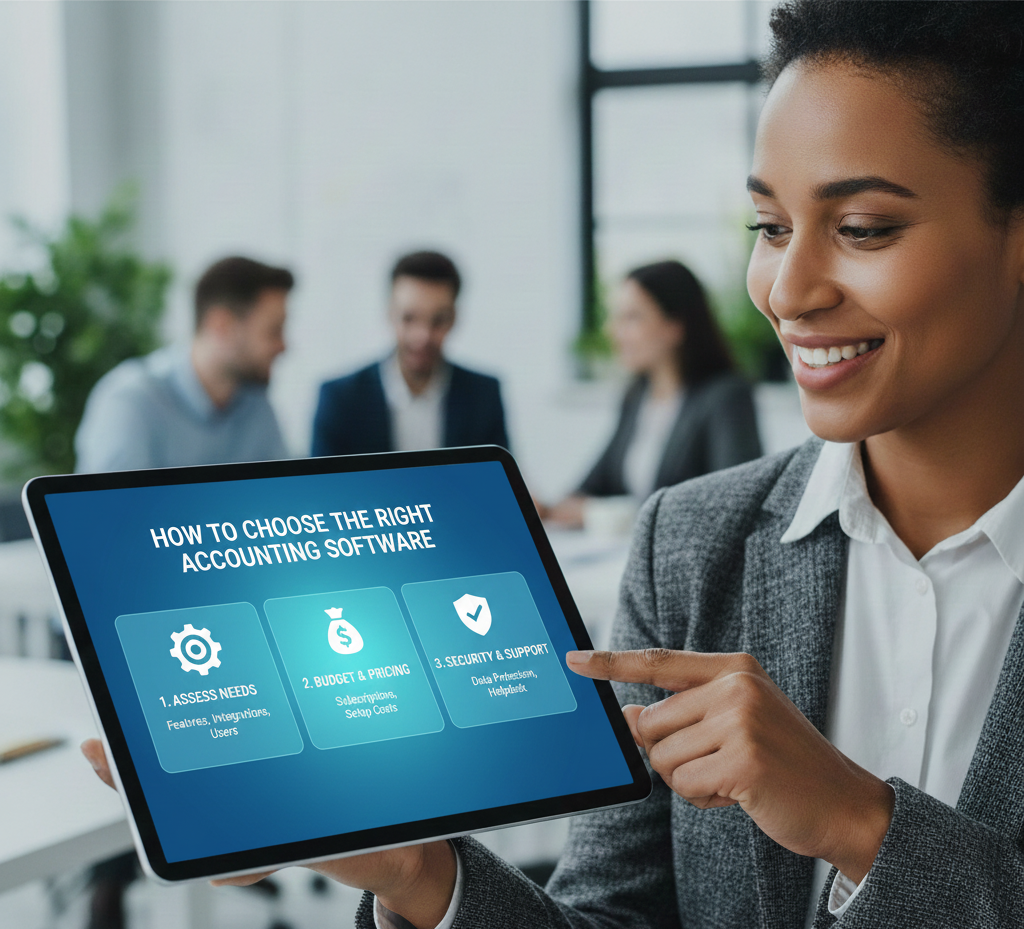
Before making a decision, consider these factors:
-
Business size and growth plans
-
Industry-specific needs
-
Budget and pricing structure
-
Ease of use and learning curve
-
Integration with existing tools
The best accounting software is not always the most expensive—it’s the one that fits your workflow and supports your long-term goals.
Final Thoughts

In 2026, accounting software has become an essential tool for small businesses aiming to stay competitive and financially healthy. Whether you need advanced automation, international support, or a simple invoicing solution, there’s an option tailored to your needs.
Choosing the right platform can save you hours of work each month, reduce errors, and give you confidence in your financial decisions. Take the time to compare features, pricing, and usability before committing to a solution that will support your business journey.