

ERP vs CRM: Which Software System Is Right for Your Business?
Choosing the right software to support your business operations can be a game-changer. Two of the most commonly discussed categories are ERP (Enterprise Resource Planning) and CRM (Customer Relationship Management) systems. While both are designed to improve efficiency and drive growth, they serve different purposes and deliver distinct benefits depending on your business goals.
In this article, we’ll break down what each system does, how they differ, and how to decide which one your business truly needs.
What Is ERP?
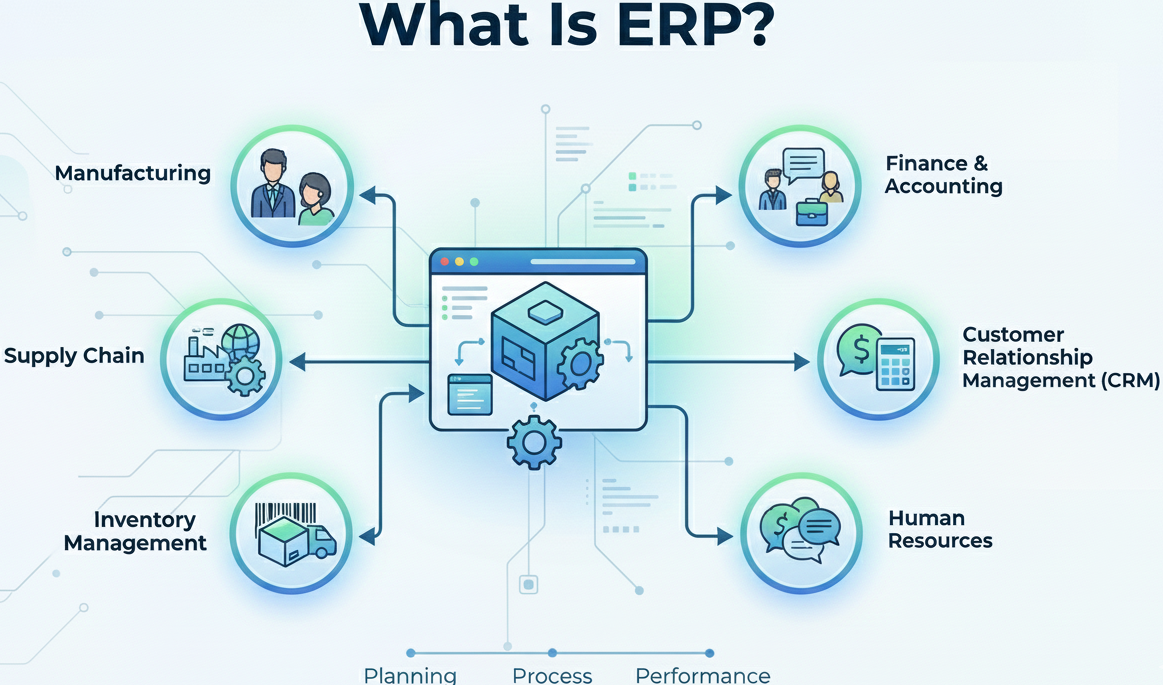
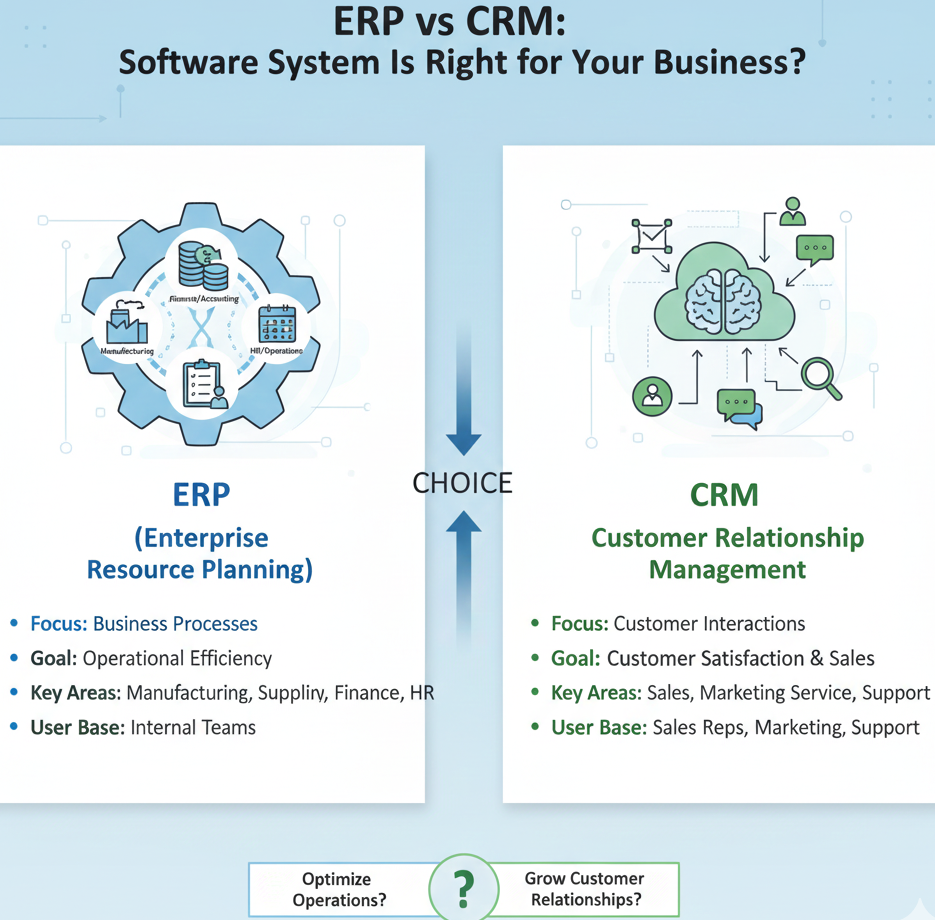
ERP (Enterprise Resource Planning) is an integrated software platform that manages core business processes across departments. Think of ERP as the central nervous system of your company—bringing together finance, operations, HR, procurement, inventory, manufacturing, and reporting in one unified system.
Key ERP Capabilities
-
Financial management and accounting
-
Supply chain and inventory control
-
Human resources and payroll
-
Project and resource planning
-
Production and operations workflows
Who Uses ERP?
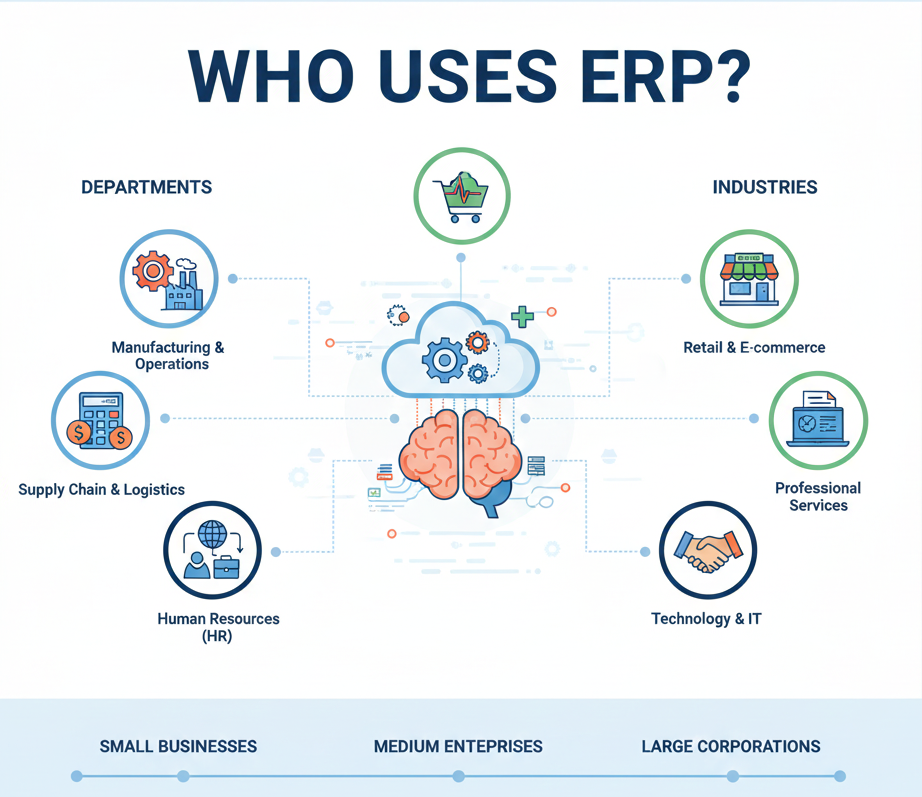
ERPs are especially valuable for companies with complex operations, multi-departmental workflows, or growing data needs. They provide one source of truth that helps teams make better, data-driven decisions.
What Is CRM?
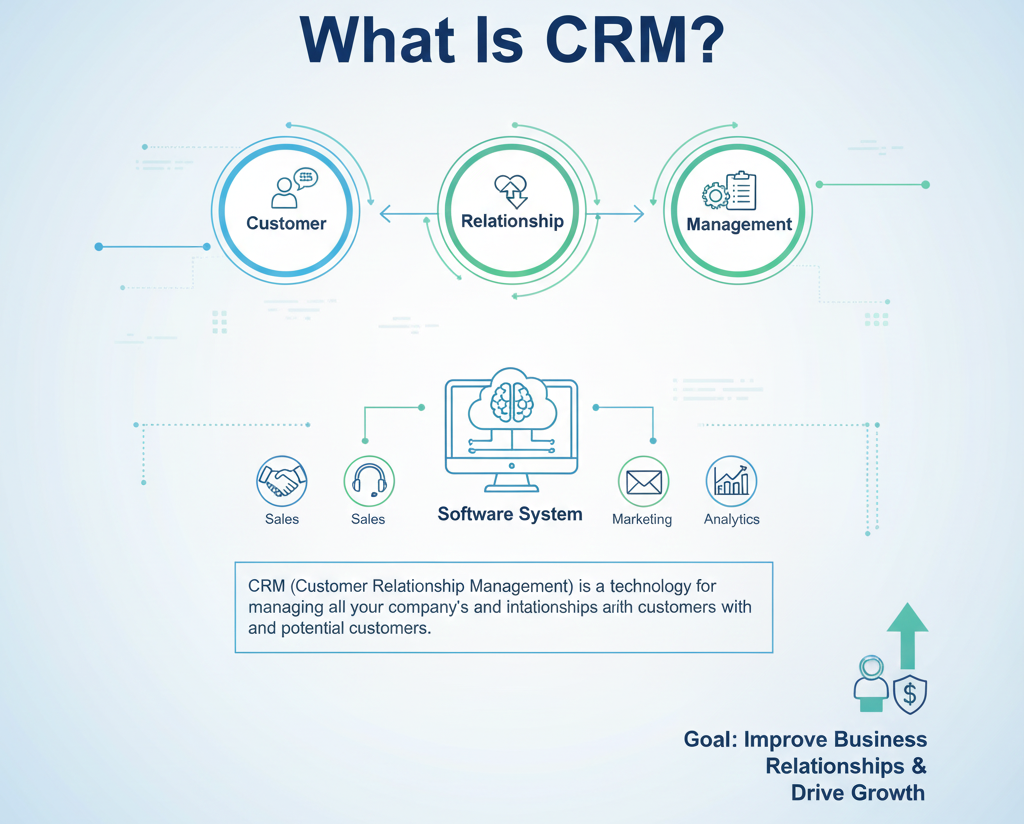
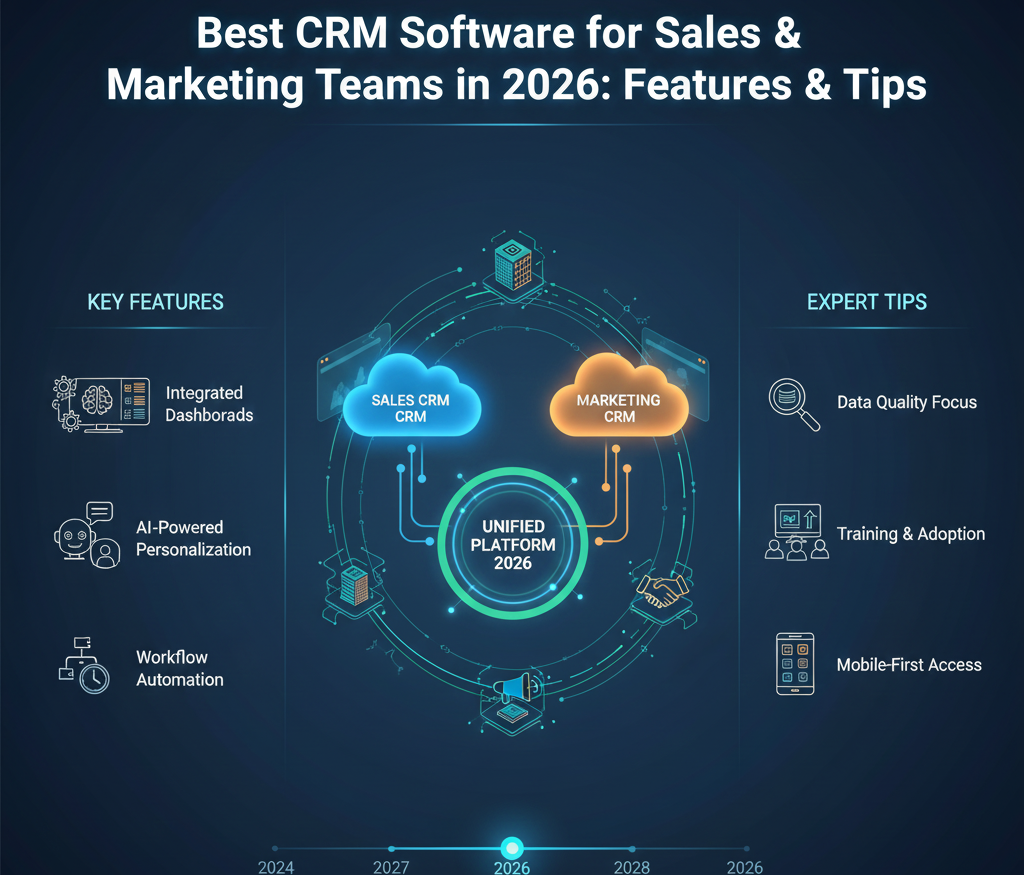
CRM (Customer Relationship Management) software focuses on one core business pillar: your customers. It’s designed to help sales, marketing, and customer service teams attract, manage, and retain customers throughout the full sales lifecycle.
Key CRM Capabilities
-
Contact and lead tracking
-
Sales pipeline and deal management
-
Marketing automation
-
Customer service and support ticketing
-
Performance dashboards and analytics
Who Uses CRM?
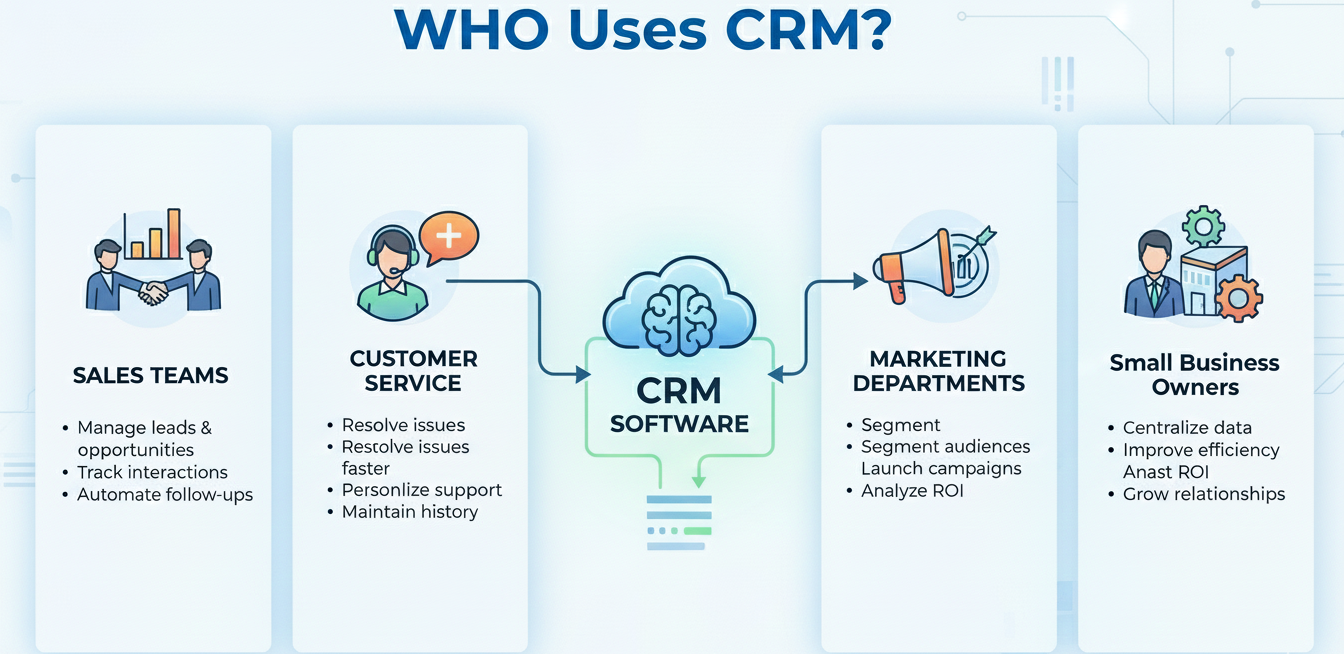
CRM systems are ideal for businesses that want to strengthen relationships, streamline sales processes, and boost customer loyalty. They shine in environments where customer data and touchpoints drive revenue.
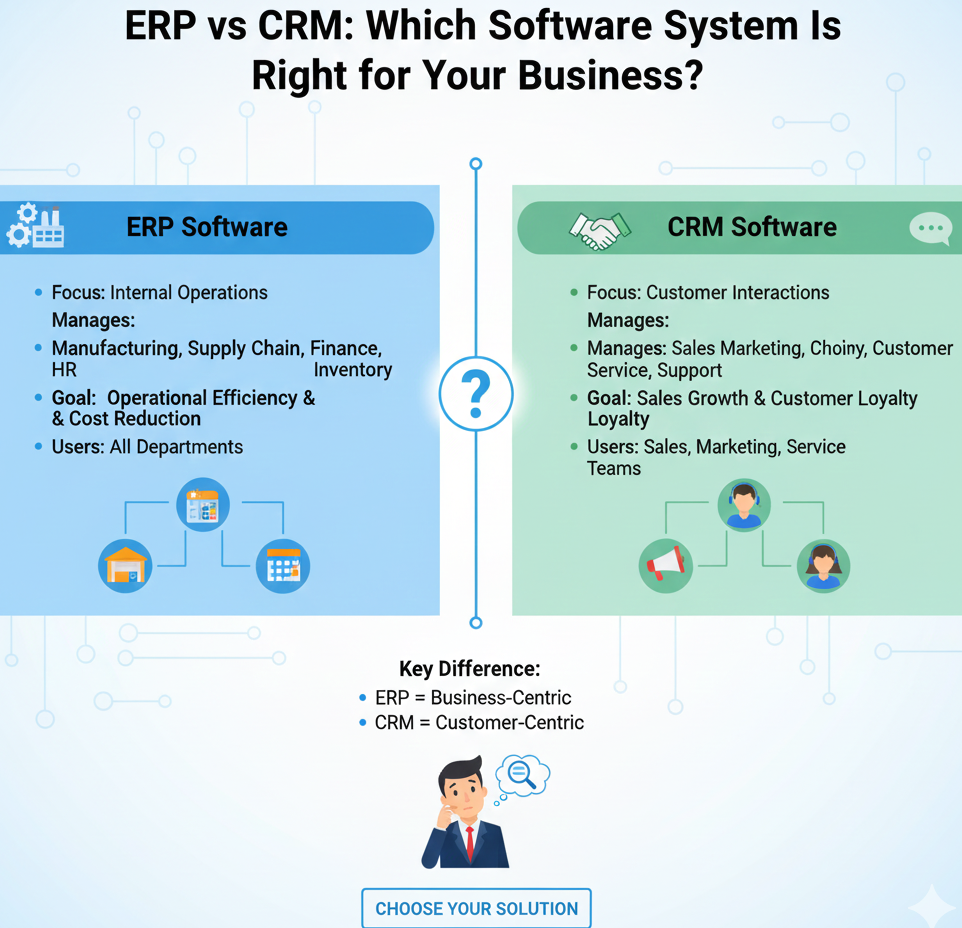
ERP vs CRM: Key Differences
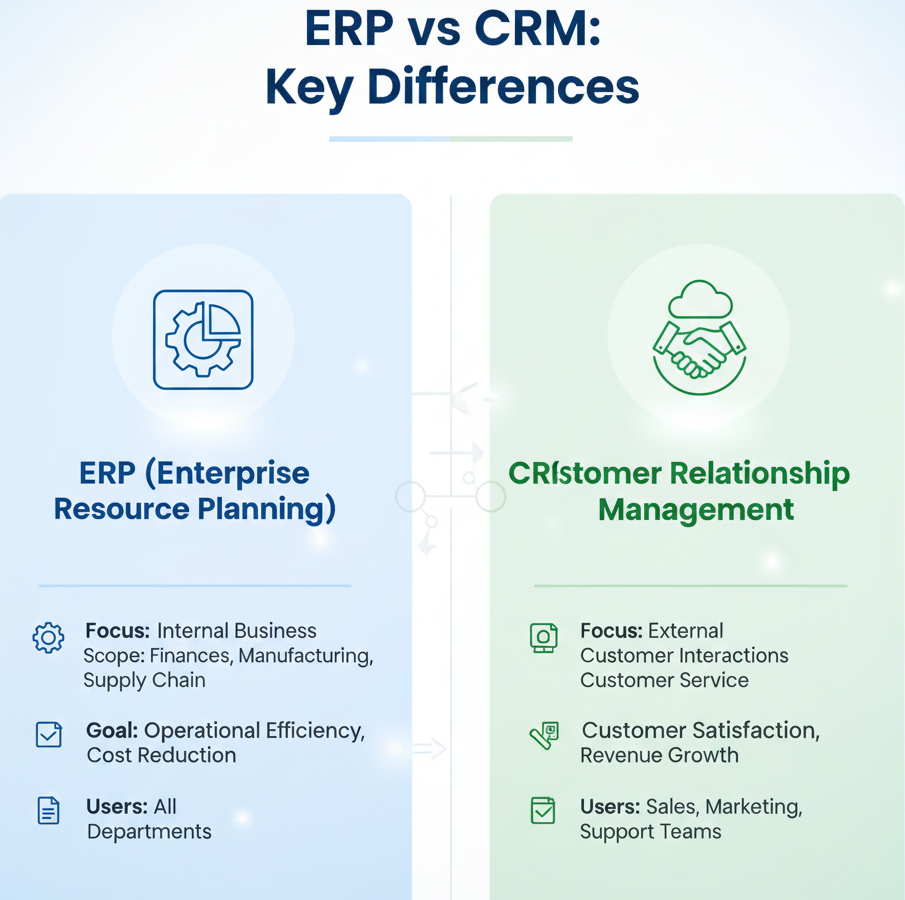
Understanding the difference between ERP and CRM helps you decide what your business needs most.
1. Core Focus
-
ERP: Internal processes and operational efficiency
-
CRM: Customer interactions and revenue growth
2. Primary Users
-
ERP: Operations, finance, HR, manufacturing
-
CRM: Sales, marketing, support, customer success
3. Data Flow
-
ERP: Connects internal workflows across departments
-
CRM: Centralizes customer data for engagement and insights
4. Business Goals
-
ERP: Reduces operational cost, improves efficiency
-
CRM: Drives sales, enhances customer satisfaction
When to Choose ERP
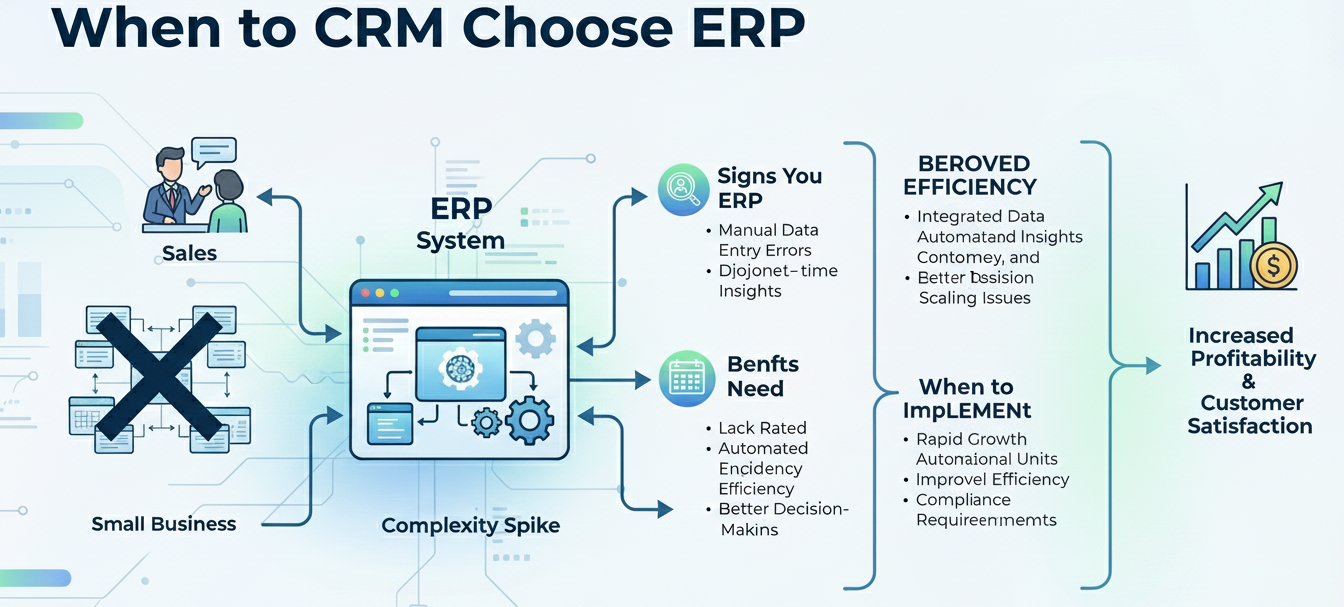
Your business might need an ERP if:
-
You struggle with fragmented systems across departments
-
Financial, HR, and operations data don’t sync correctly
-
You want a unified platform to streamline back-office processes
-
You’re scaling rapidly and need integrated workflows
Example: A manufacturing company that needs real-time visibility into inventory, production schedules, and financial reporting would benefit from an ERP.
When to Choose CRM
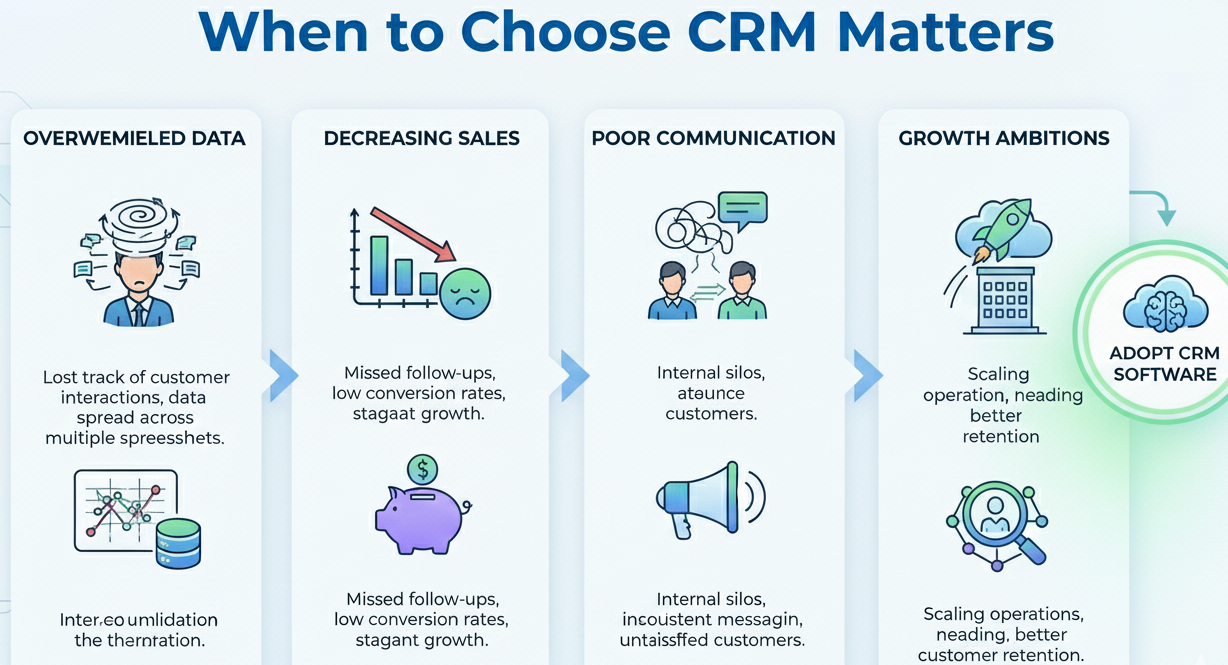
A CRM might be the right choice if:
-
Your sales process feels disorganized
-
Leads and customer details are scattered or incomplete
-
You want better insight into customer behavior
-
Improving sales performance and customer retention is a priority
Example: A SaaS startup with a growing sales team that needs a tool for tracking leads, automating outreach, and analyzing customer journeys would benefit from CRM software.
What If You Need Both?
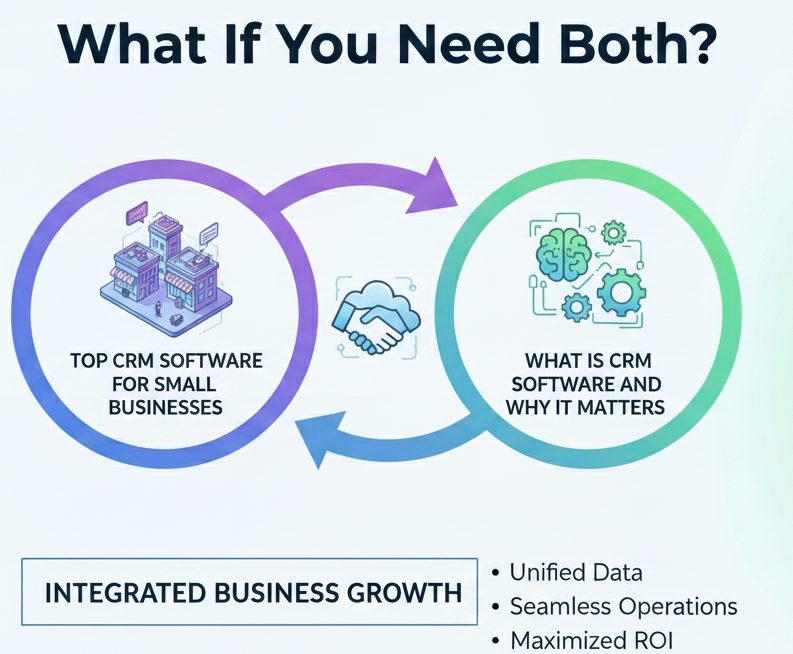
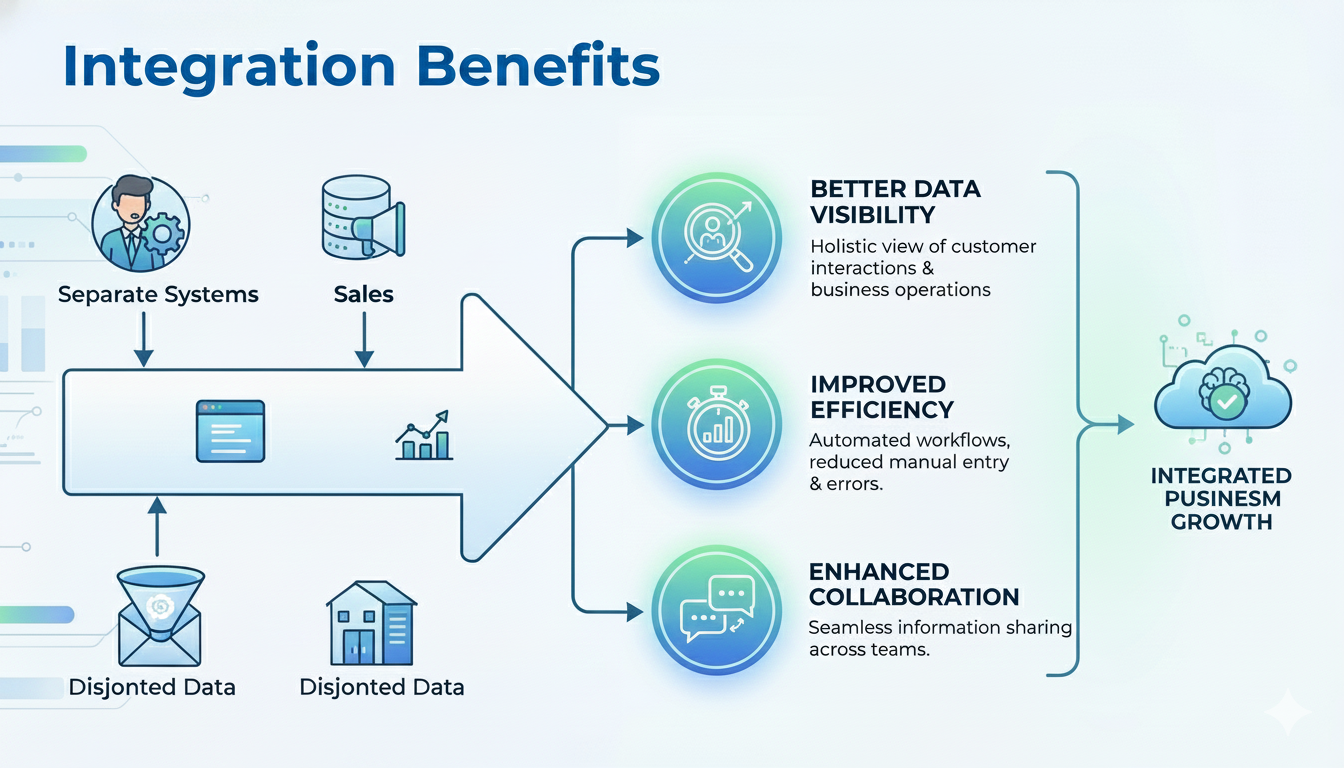
In many cases, businesses benefit from both ERP and CRM systems. Modern software ecosystems make it easy to connect or integrate these tools so data flows seamlessly between customer-facing and back-office functions.
Integration Benefits
-
Align sales forecasts with financial planning
-
Improve customer service with operational data
-
Offer better visibility across teams
-
Avoid duplicate entries and manual data transfers
Integration can be achieved through built-in connectors, APIs, or unified platforms that blend ERP and CRM functionality.
How to Decide What’s Right for You
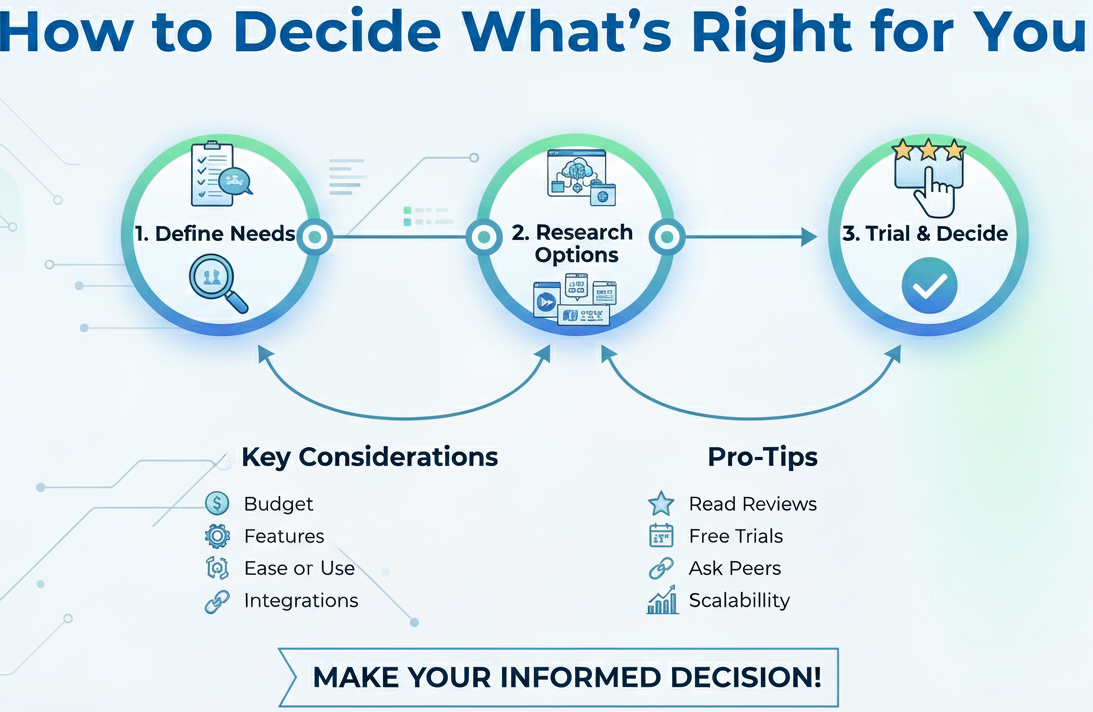
Here’s a quick decision checklist:
✔ Do you need stronger internal process control? → Consider ERP
✔ Is your priority customer engagement and sales tracking? → Consider CRM
✔ Are both internal efficiency and customer experience equally important? → You might need both
Also consider:
-
Your current technology stack
-
Budget and implementation resources
-
Expected return on investment (ROI)
-
Growth trajectory and future needs
Final Thoughts
The ERP vs CRM debate isn’t about which system is better—it’s about which system aligns with your business goals. ERP systems unify internal operations and deliver organization-wide efficiency, while CRM systems empower teams to build stronger customer relationships and drive revenue.
Understanding your core challenges—and how each platform addresses them—is the first step toward choosing the right software solution. Whether you opt for an ERP, a CRM, or a combination of both, the right tools can significantly elevate your business performance and provide a competitive edge in today’s dynamic market.