

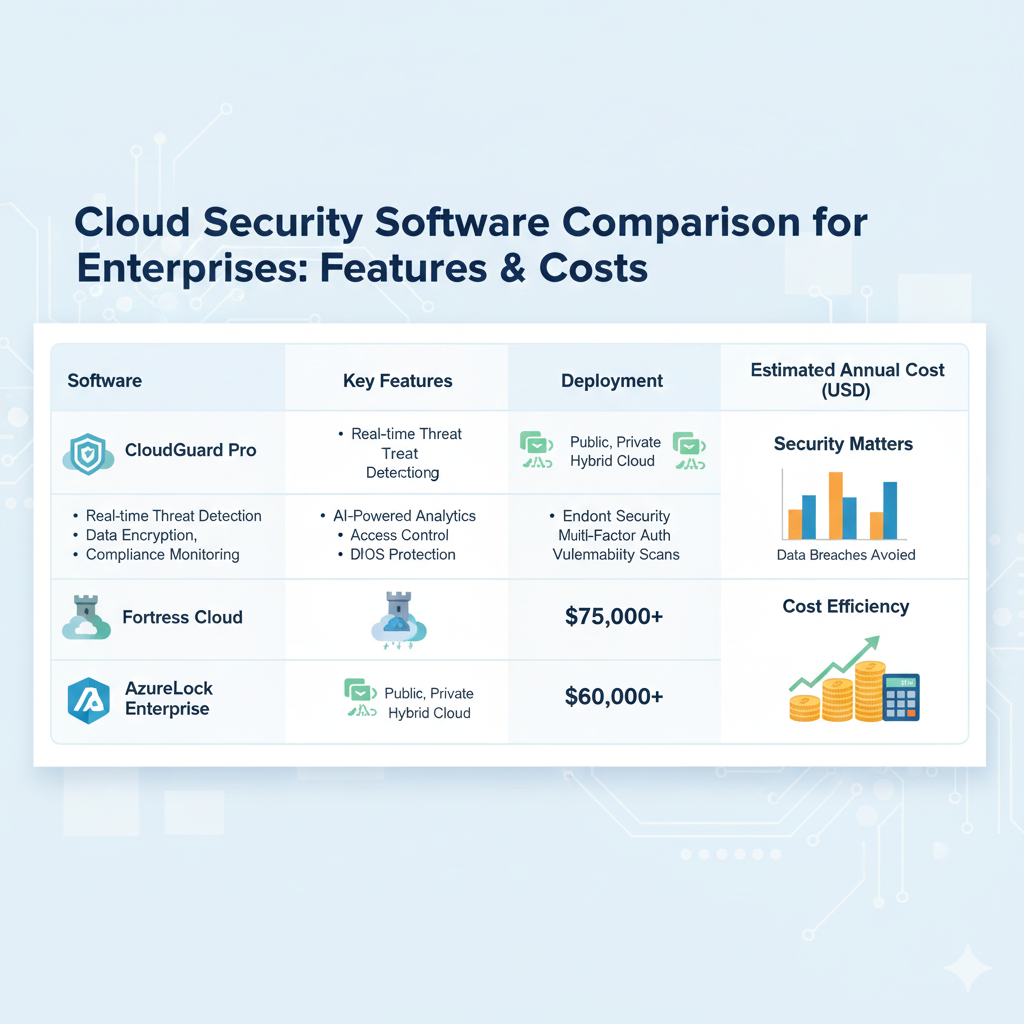
Cloud Security Software Comparison for Enterprises: Features & Costs
In an era where digital transformation drives business innovation, cloud adoption has become a strategic priority for enterprises. The flexibility, scalability, and cost efficiency of cloud computing are reshaping how companies operate. However, as workloads and data shift to the cloud, organizations face a growing set of security challenges — from data breaches and misconfigurations to compliance risks and sophisticated cyberattacks.
This comprehensive guide compares top cloud security software for enterprises, highlighting key features, pricing considerations, and how to choose the right solution for your organization’s risk profile.
Why Cloud Security Matters for Enterprises
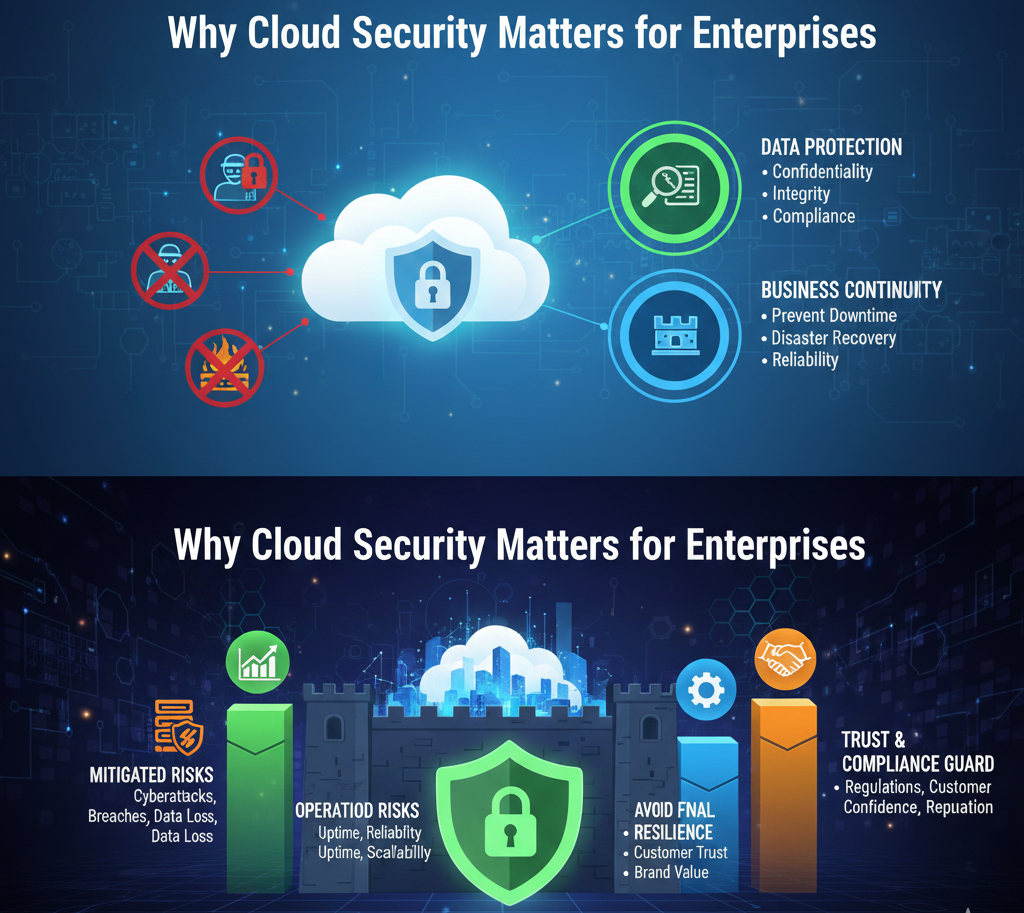
Cloud environments introduce complexity because they involve multiple layers—public cloud services, virtual networks, containers, hybrid infrastructure, and APIs. Traditional security models are often insufficient to address modern threats. Effective cloud security solutions provide:
-
Continuous protection across multi-cloud environments
-
Real-time threat detection and response
-
Automated compliance and visibility
-
Policy enforcement at scale
In 2026, cloud security platforms increasingly leverage AI-driven analytics, machine learning, and behavioral profiling to detect and prevent emerging threats proactively.
Key Features to Look for in Cloud Security Software
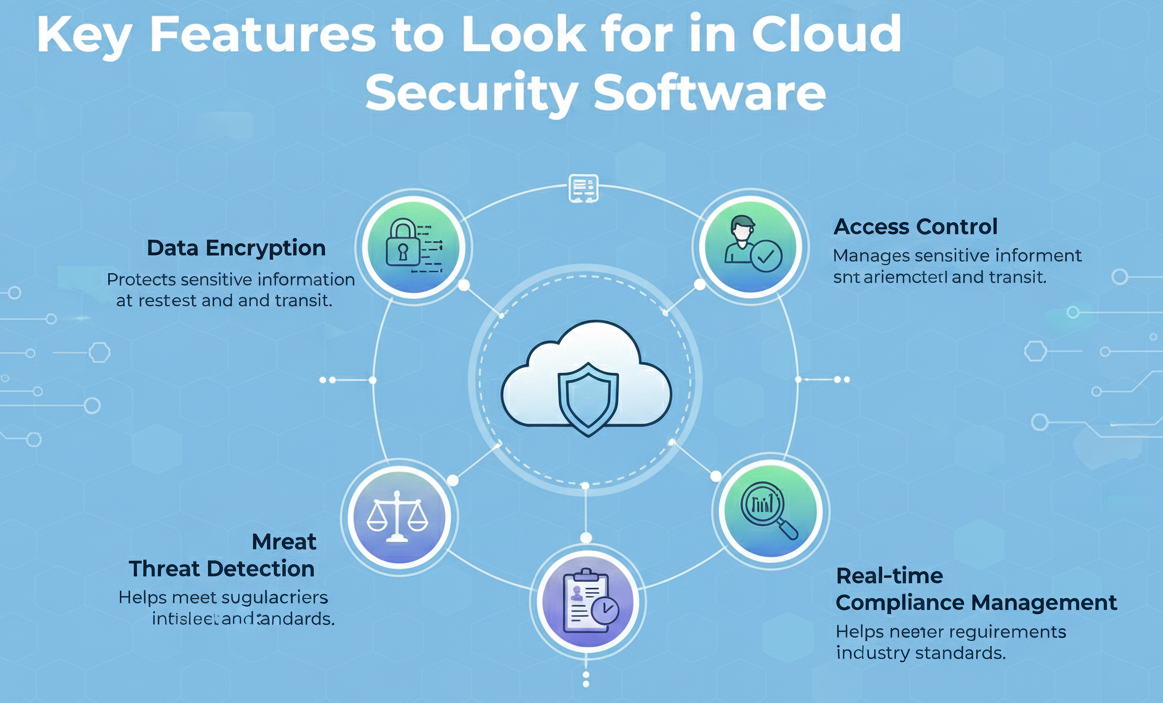
Before comparing specific products, it’s important to understand the core capabilities that enterprises should prioritize:
1. Cloud Workload Protection (CWPP)
Protects servers, containers, and application workloads against malware, vulnerabilities, and runtime threats.
2. Cloud Security Posture Management (CSPM)
Automates the monitoring of cloud configurations to identify misconfigurations and compliance risks.
3. Identity and Access Management (IAM)
Controls who can access cloud resources and enforces least-privilege policies.
4. Data Loss Prevention (DLP)
Identifies, monitors, and protects sensitive data stored in cloud services.
5. Threat Detection and Response
Uses analytics and threat intelligence to detect suspicious activity and facilitate rapid incident response.
6. Encryption and Key Management
Secures data at rest and in transit while managing cryptographic keys centrally.
Top Cloud Security Software Solutions for Enterprises
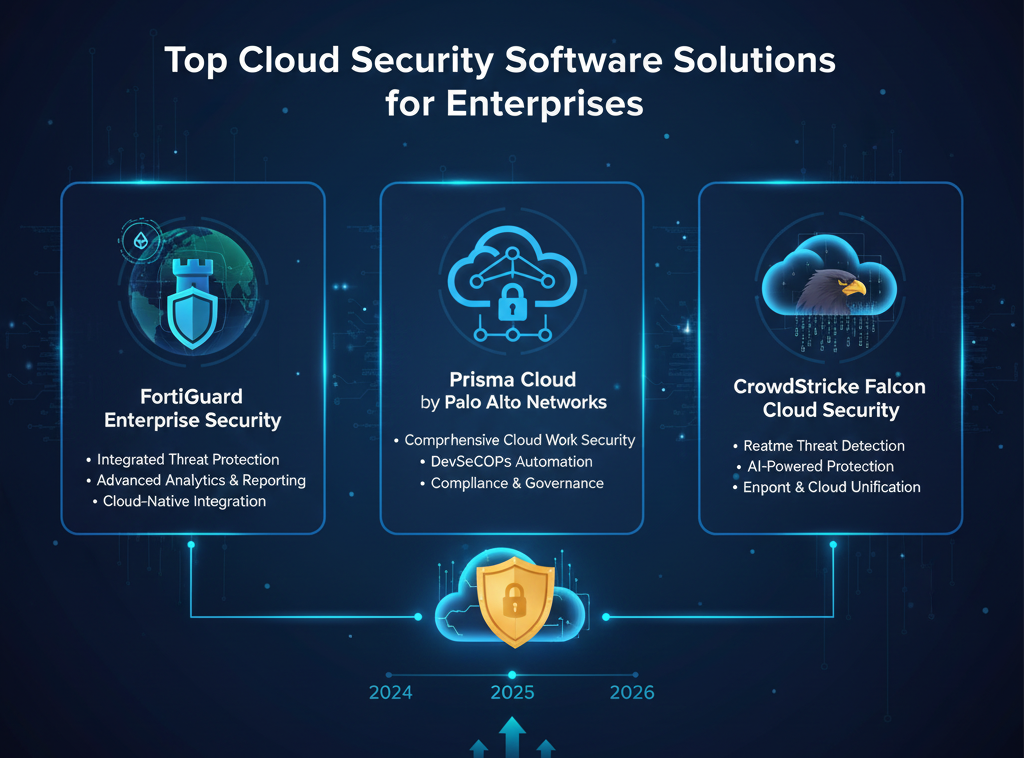
Below are leading cloud security platforms that combine advanced features and enterprise-ready performance.
1. Palo Alto Networks Prisma Cloud
Overview:
Prisma Cloud is a comprehensive cloud security platform that unifies CSPM, CWPP, container security, and more under a single console.
Key Features:
-
Multi-cloud visibility and risk assessment
-
Runtime protection for containers and serverless workloads
-
Integrated compliance reporting
-
Identity and access governance
Pricing:
Typically tiered based on resource usage and modules deployed, with enterprise plans tailored by organization scale.
Best for: Large enterprises with complex multi-cloud environments and stringent compliance needs.
2. Microsoft Defender for Cloud
Overview:
Part of the Microsoft security ecosystem, Defender for Cloud provides built-in protection for Azure, AWS, and hybrid workloads.
Key Features:
-
Native integration with Azure and Microsoft 365
-
CSPM and threat protection
-
Just-in-time access control
-
Automated security recommendations
Pricing:
Flexible, usage-based pricing with additional charges for enhanced security capabilities.
Best for: Organizations heavily invested in Microsoft services that want seamless integration and centralized management.
3. AWS Security Hub
Overview:
AWS Security Hub aggregates security findings across AWS services and third-party tools, offering compliance checks and centralized alerting.
Key Features:
-
Automated compliance standards checks
-
Consolidated threat alerts
-
Integration with AWS GuardDuty, IAM, and CloudTrail
-
Actionable remediation guidance
Pricing:
Usage-based charges reflecting volume of findings and data processed.
Best for: Enterprises using AWS as a primary cloud provider that want a native, scalable security response platform.
4. Cisco Cloud Security (Umbrella)
Overview:
Cisco Umbrella delivers cloud-native secure internet gateway services along with threat intelligence and DNS-layer protection.
Key Features:
-
DNS, web, and firewall security
-
Malware and phishing protection
-
Secure remote access
-
Endpoint integration
Pricing:
Subscription plans based on feature bundles and user count.
Best for: Enterprises seeking robust internet boundary protections and integration with network-centric security strategies.
5. Google Cloud Security Command Center
Overview:
Google’s centralized security management platform for Google Cloud environments provides asset visibility and risk assessment tools.
Key Features:
-
Risk insights across compute, storage, and networking
-
Data protection and discovery
-
Threat detection integrations
-
Compliance assessment tools
Pricing:
Charges are based on resource scanning and usage.
Best for: Organizations with significant workloads on Google Cloud that want native security orchestration.
Comparing Costs & Value
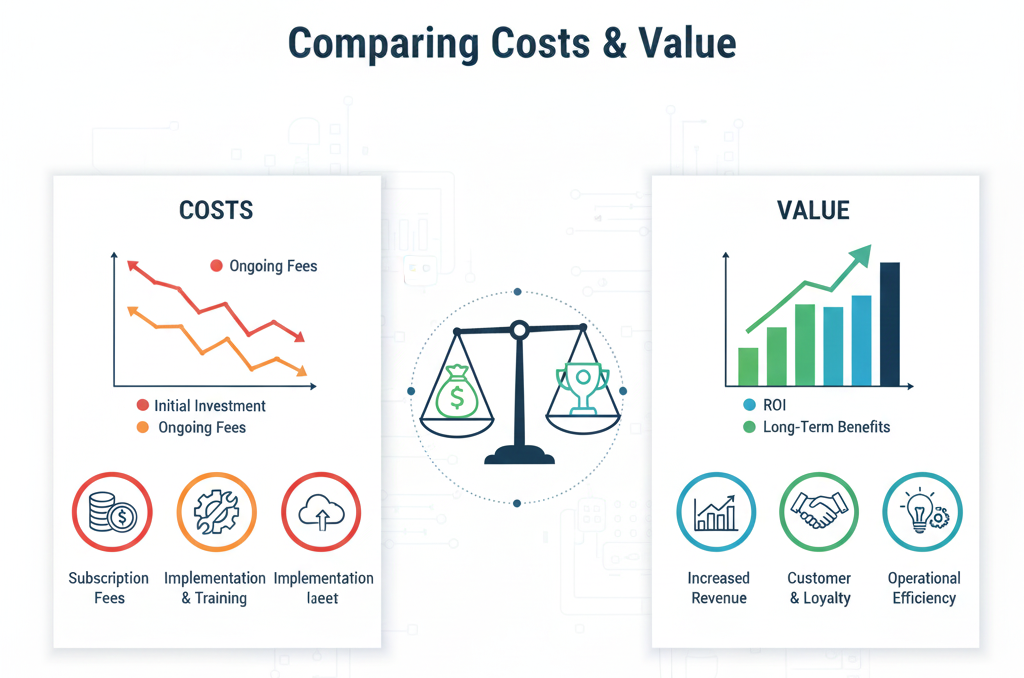
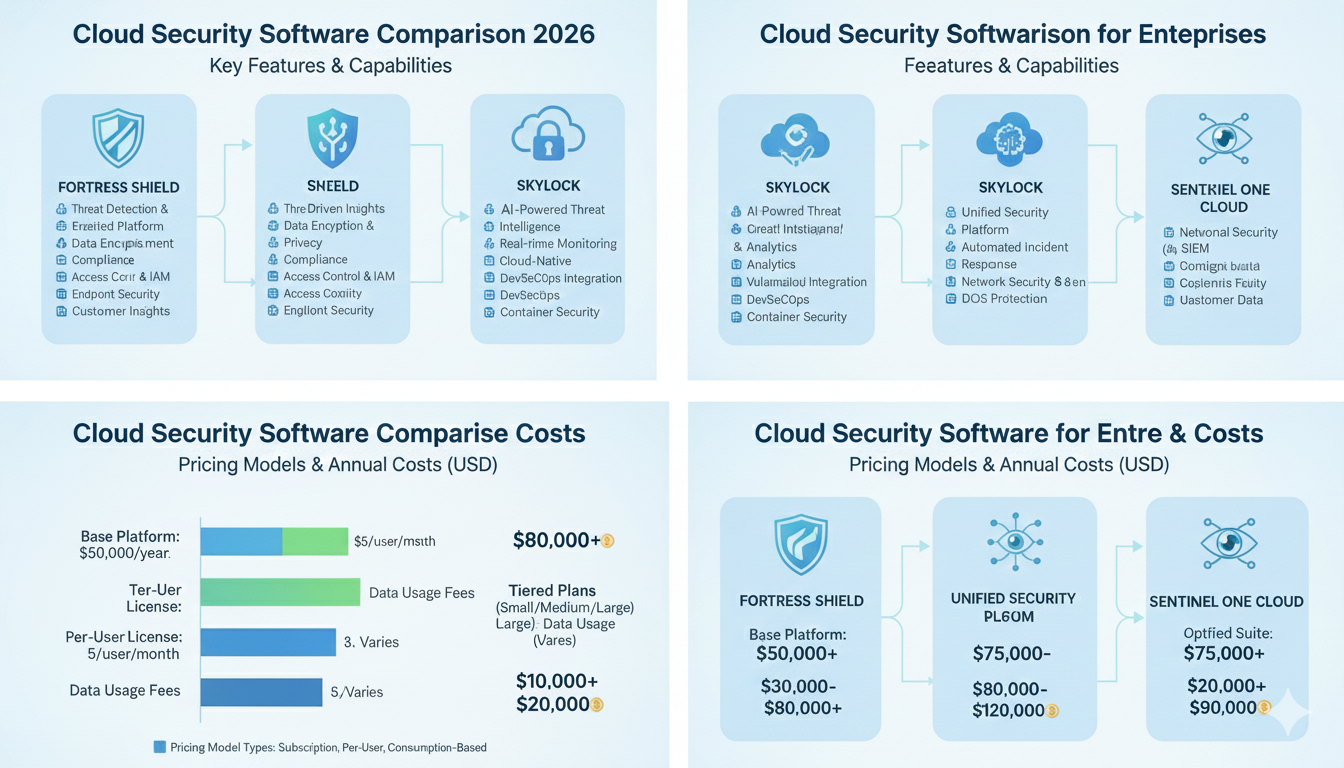
Cloud security pricing varies widely depending on architecture, scale, and chosen modules. Here’s how to approach cost evaluation:
-
Resource Metrics: Many platforms charge based on the number of assets, workloads, or events analyzed.
-
Feature Layers: Premium capabilities such as advanced analytics or DLP often carry higher costs.
-
Multi-Cloud Needs: Solutions that support multiple cloud providers can offer better cost predictability and consolidated billing.
-
Compliance Requirements: Tools that automate audits and reporting can reduce operational costs tied to regulatory compliance.
Enterprises should request tailored quotes and evaluate total cost of ownership (TCO) rather than just base subscription prices. Consider implementation, training, and ongoing support as part of the investment.
How to Choose the Right Cloud Security Platform
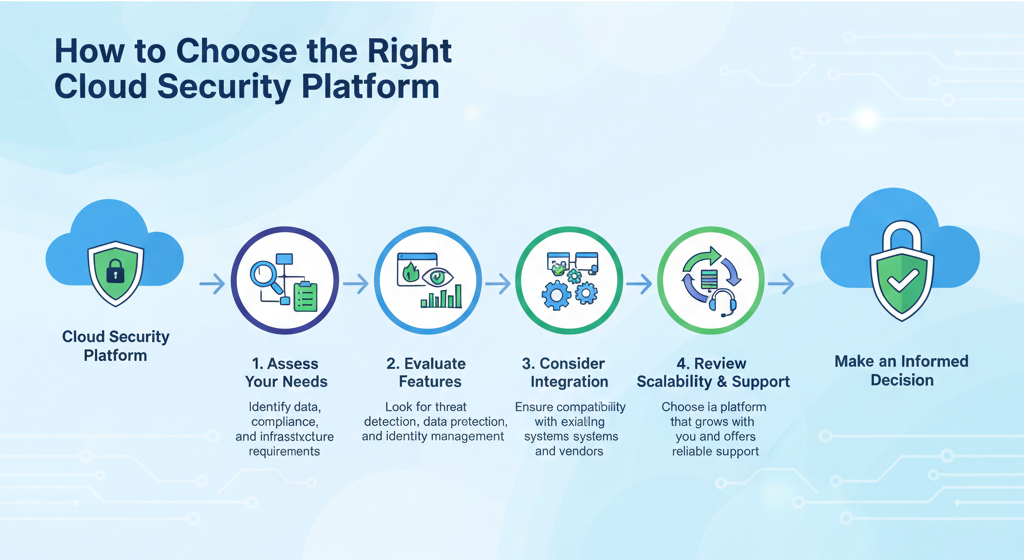
Here are key steps to guide your decision:
-
Assess Your Cloud Footprint: Understand how many cloud providers and workloads you manage.
-
Map Security Priorities: Determine whether your priority is configuration posture, threat detection, data security, or all of the above.
-
Think Long-Term: Choose solutions that scale as your business grows and cloud usage evolves.
-
Integration Matters: Ensure tight integration with existing tools like SIEM platforms and IAM systems.
-
Evaluate Support & Ecosystem: Strong vendor support, training, and partner networks boost successful deployment.
Final Thoughts

Cloud security is no longer optional for enterprises—it’s a strategic imperative. As cloud environments grow in complexity, choosing a security platform that offers comprehensive protection, scalable performance, and cost efficiency makes all the difference.
Whether your enterprise is expanding across multiple clouds or strengthening defenses around critical workloads, the right cloud security software empowers your team to operate confidently, defend against threats, and stay ahead in an uncertain digital landscape.