

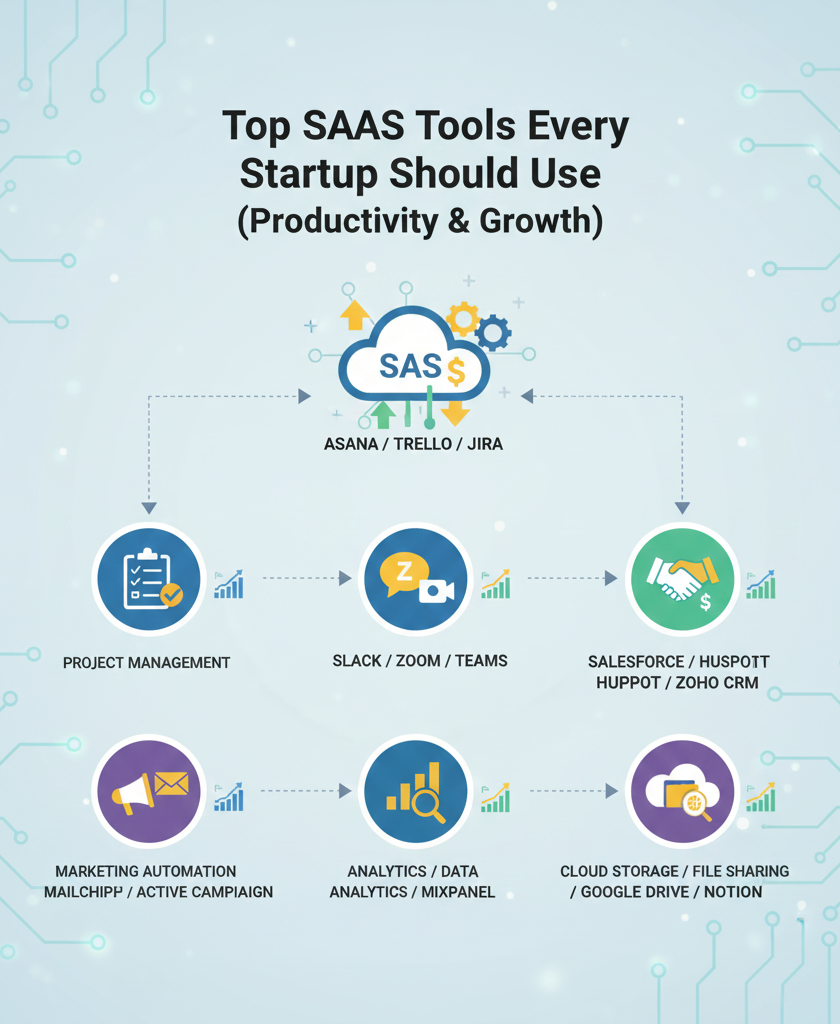
Top SaaS Tools Every Startup Should Use (Productivity & Growth)
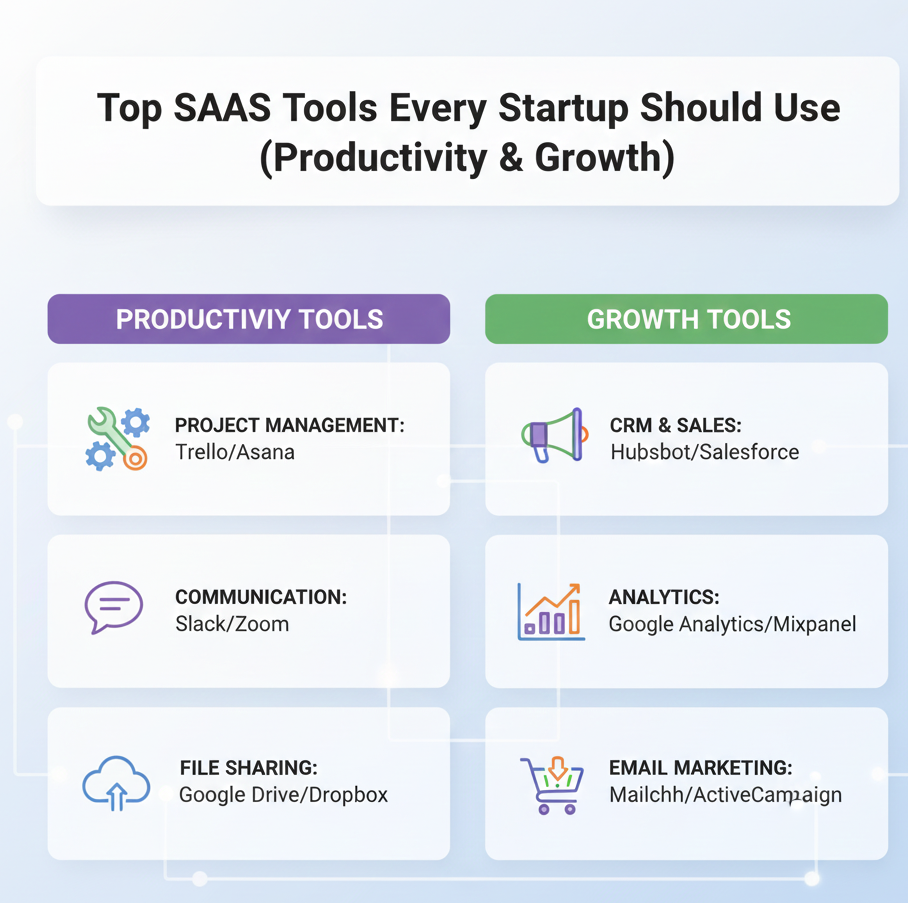
In the fast-paced world of startups, leveraging the right tools can be the difference between scrambling to keep up and scaling with confidence. Software-as-a-Service (SaaS) tools have revolutionized how modern startups operate, enabling teams to automate work, collaborate seamlessly, and fuel growth without heavy upfront investments in infrastructure.
This guide highlights the top SaaS tools every startup should consider in 2026, organized by categories that matter most: productivity, communication, sales and marketing, customer success, and data analytics.
Why SaaS Tools Are Essential for Startups
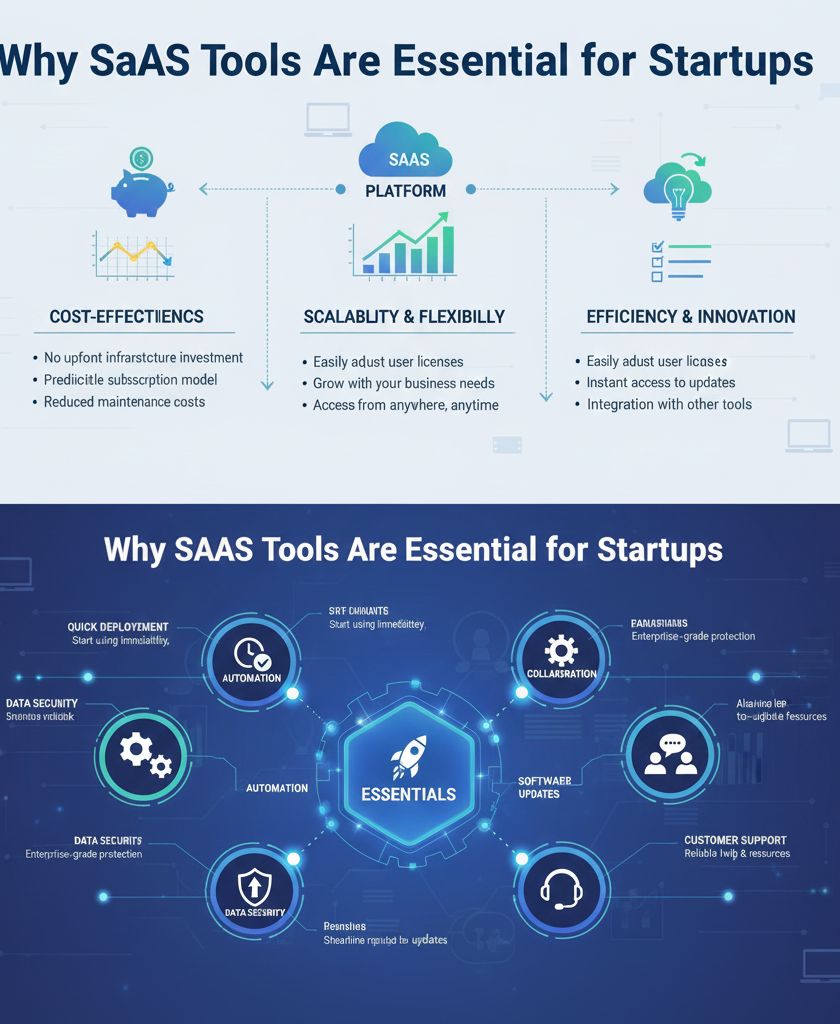
Startups face unique challenges—limited resources, tight deadlines, and the constant pressure to innovate. SaaS solutions help by:
-
Reducing costs with subscription-based pricing
-
Offering scalable features that grow with your business
-
Replacing manual processes with automation
-
Improving team collaboration, even for remote teams
-
Providing insights through data and analytics
By adopting the right mix of tools early, startups can focus more on strategy and less on operational headaches.
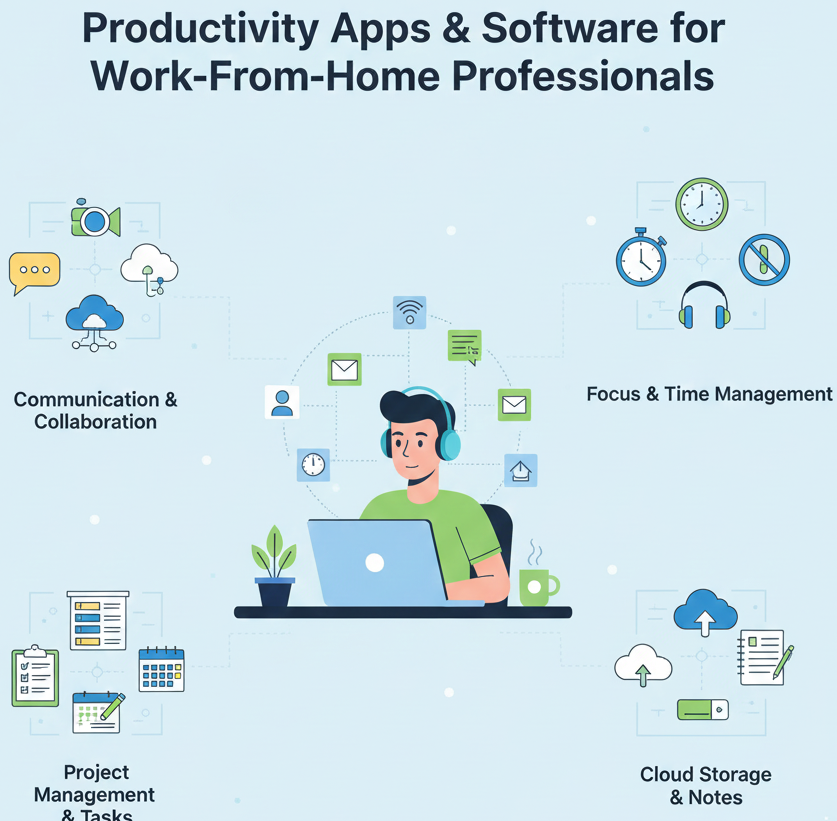
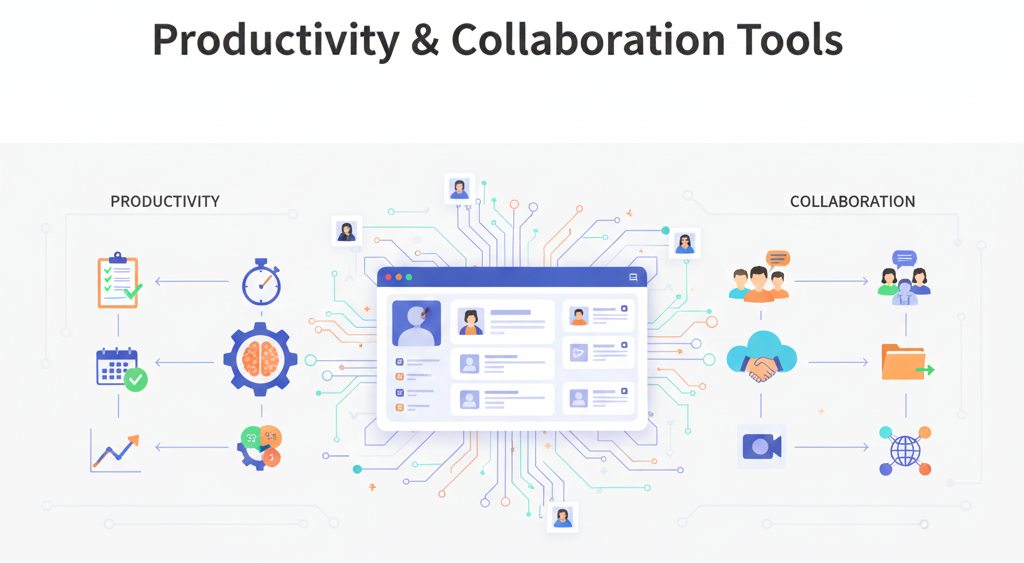
Productivity & Collaboration Tools
1. Notion
A flexible workspace for notes, docs, databases, and tasks, Notion helps teams stay organized without jumping between apps. It’s ideal for building knowledge bases, project trackers, and SOPs.
2. Slack
Slack remains the go-to communication hub for teams. With channels, direct messages, and powerful integrations, it keeps conversations organized and context-rich.
3. Trello or Asana
For task and project management, Trello’s visual boards or Asana’s structured workflows keep teams aligned on priorities and deadlines.
4. Google Workspace
From Gmail to collaborative docs, sheets, and drive storage, Google Workspace provides essential tools for document creation and sharing in real time.
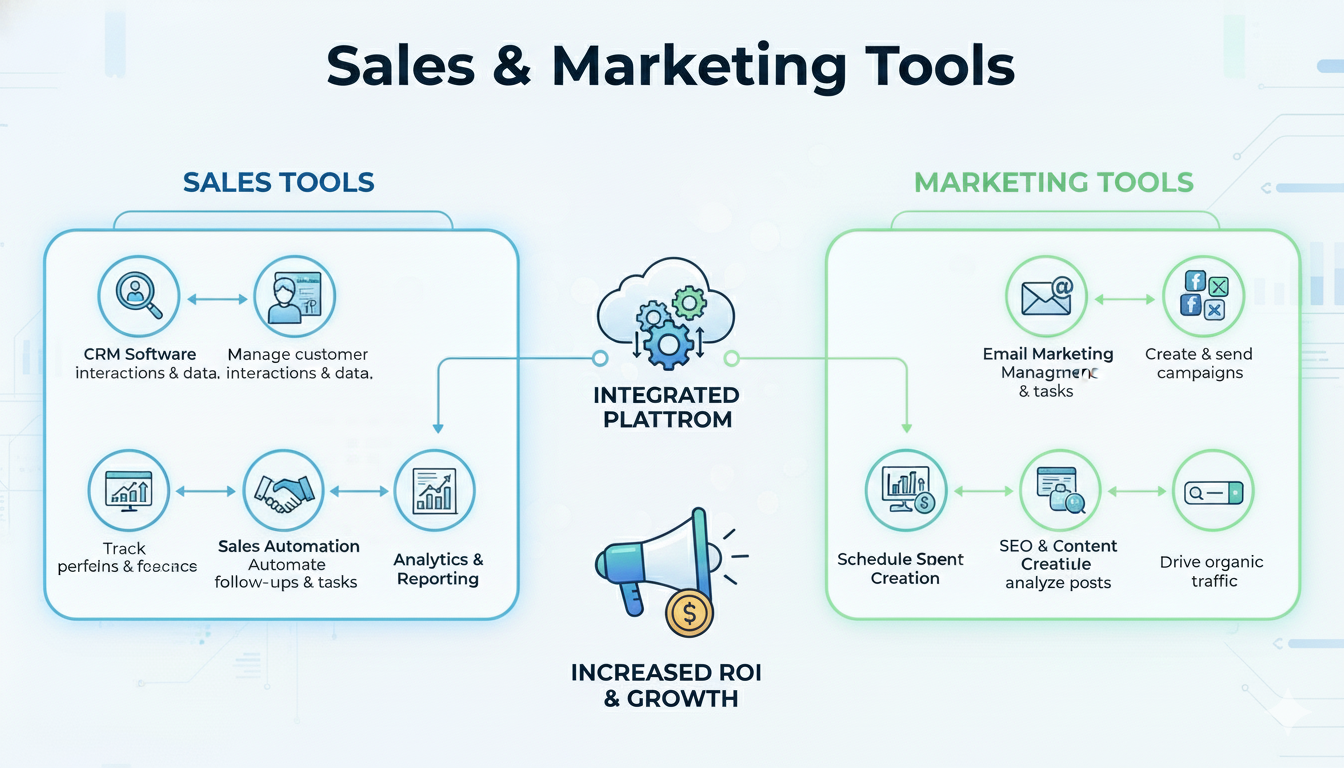
Sales & Marketing Tools
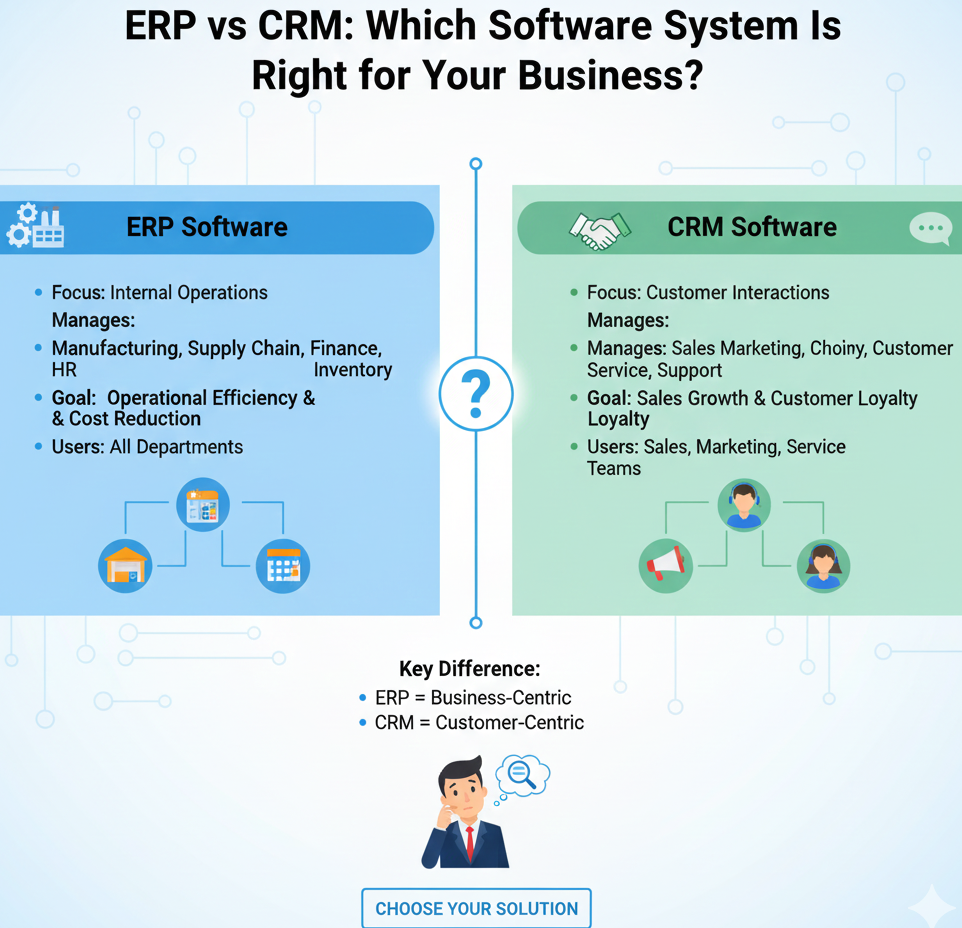
5. HubSpot CRM
HubSpot CRM’s free tier makes it ideal for startups looking to manage contacts, track deals, and automate basic marketing without breaking the bank.
6. Mailchimp
Best known for email marketing, Mailchimp offers automation, audience segmentation, and performance reporting—helpful for nurturing leads and engaging customers.
7. Canva
Canva’s drag-and-drop design platform lets startups create professional graphics, social media content, and presentations without needing a designer.
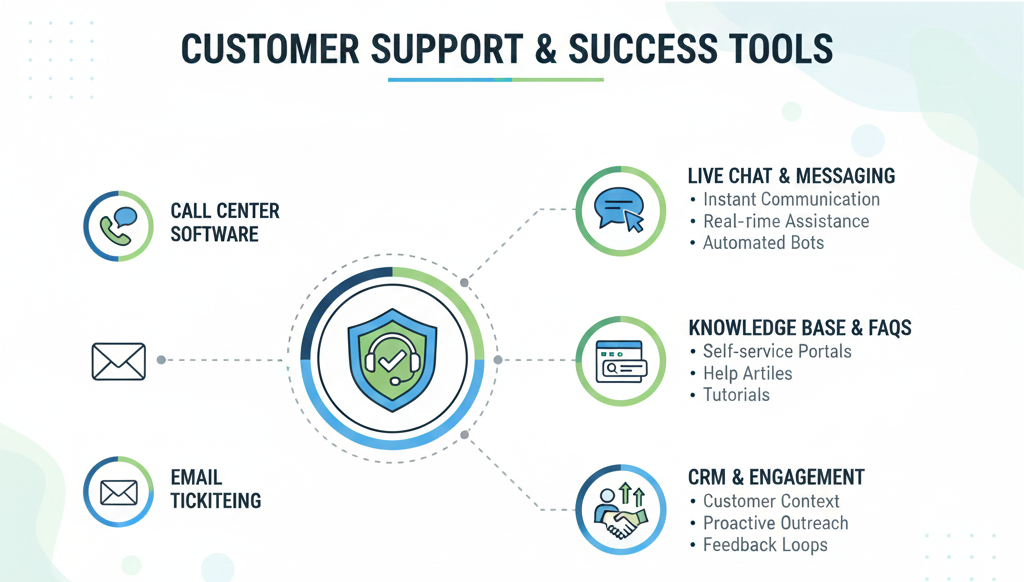
Customer Support & Success Tools
8. Intercom
Intercom combines live chat, automated messaging, and customer support in one platform. It helps startups engage users at different stages of the customer journey.
9. Zendesk
Zendesk’s ticketing system and support features ensure that customer inquiries are handled efficiently, boosting satisfaction and retention.
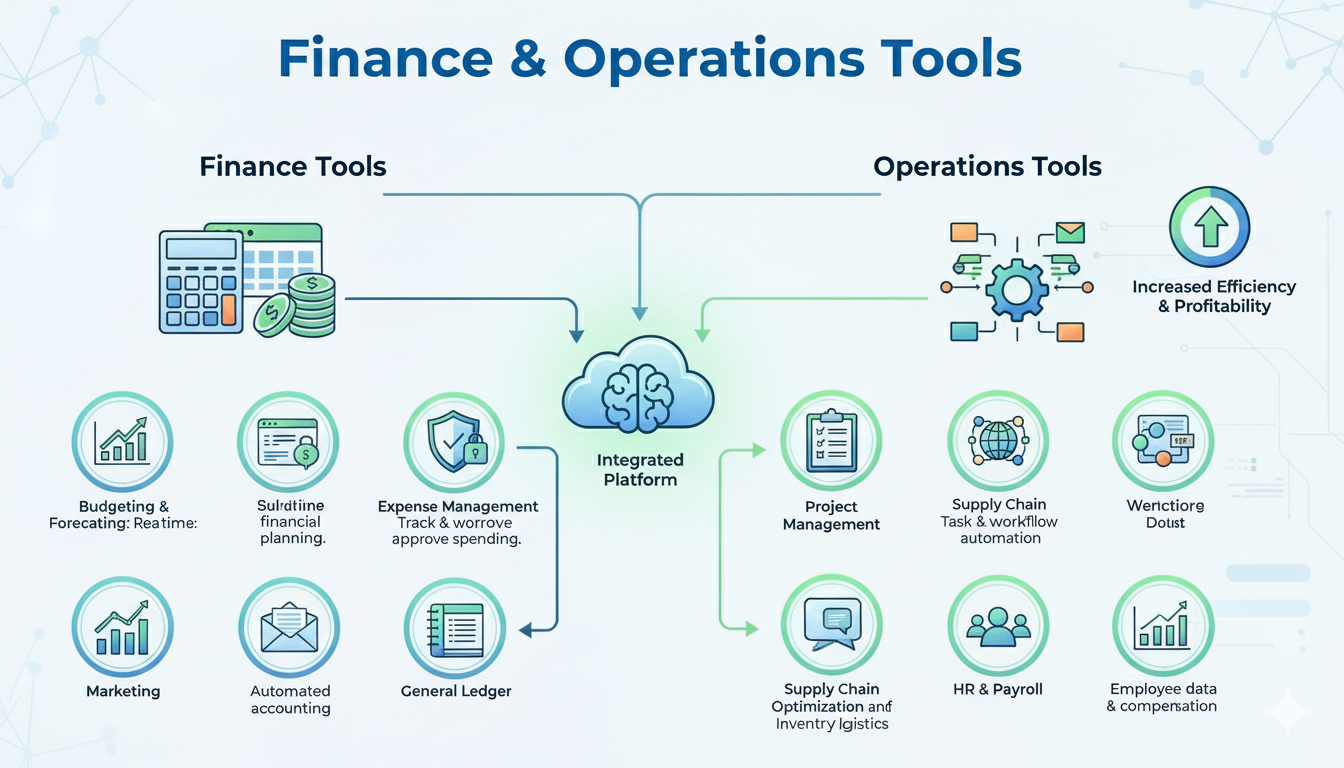
Finance & Operations Tools
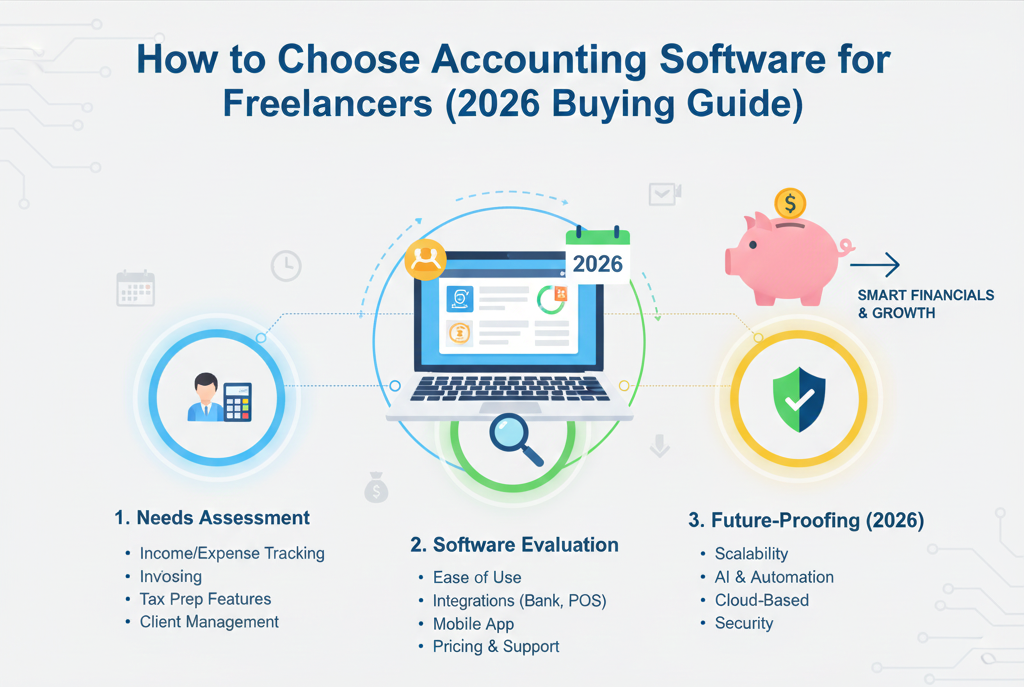
10. QuickBooks Online
QuickBooks Online simplifies bookkeeping, invoicing, and expense tracking, helping startups maintain financial clarity without accounting expertise.
11. Gusto
For startups with employees, Gusto handles payroll, benefits, and HR compliance, reducing the administrative burden of HR operations.
Data & Analytics Tools
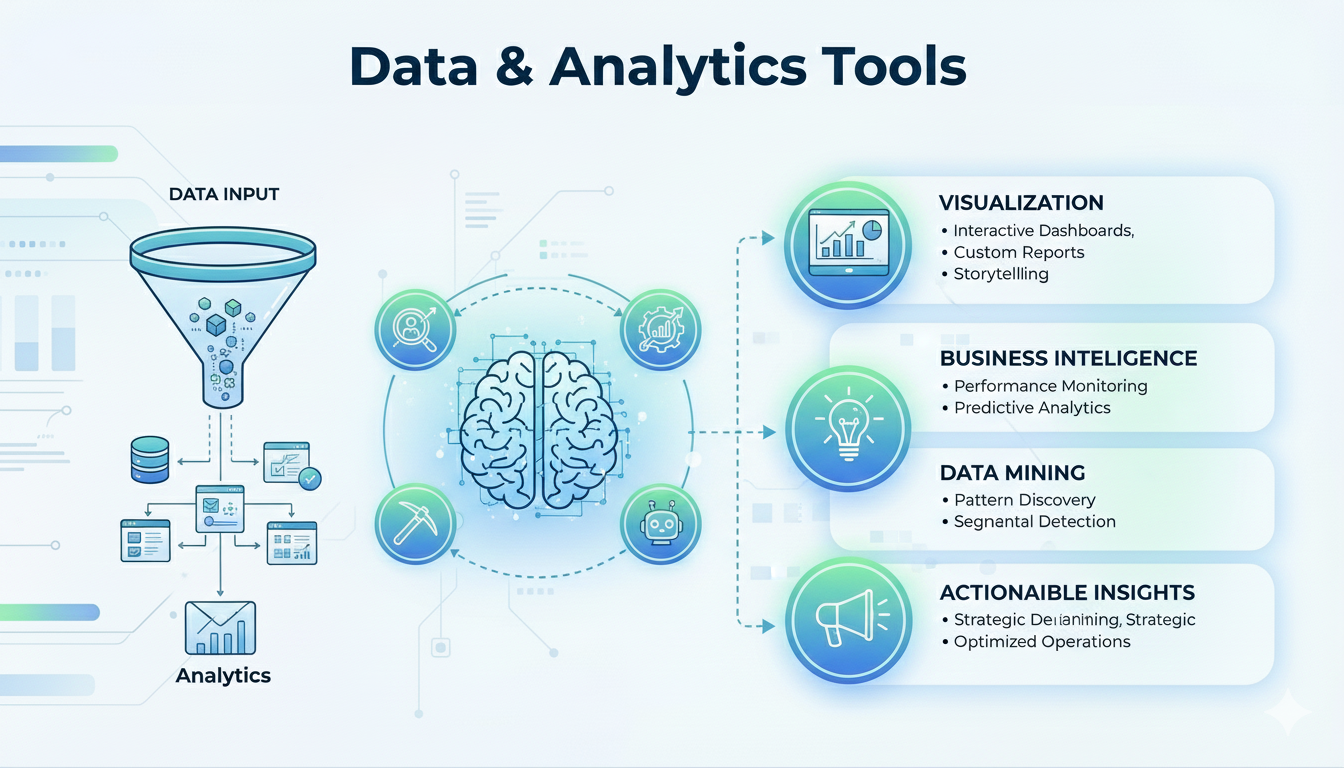
12. Google Analytics
A must-have for startups with an online presence, Google Analytics tracks website performance and user behavior, feeding insights into marketing and product decisions.
13. Mixpanel
Mixpanel goes beyond page views, helping startups understand how users interact with their product and where they drop off, fueling data-driven improvements.
Development & Deployment Tools
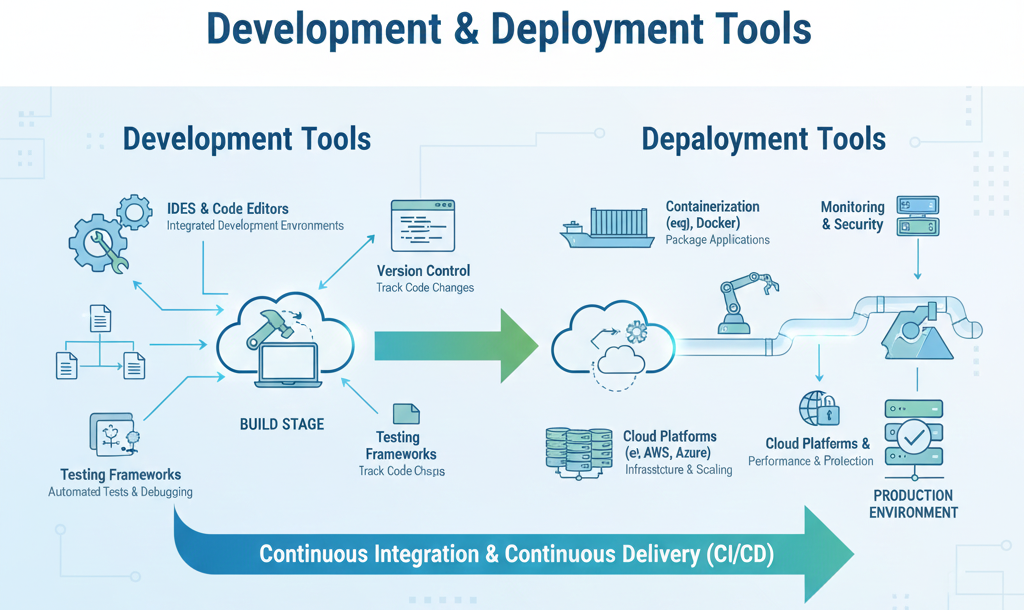
14. GitHub
Version control and collaboration for software teams make GitHub essential for product development and code management.
15. AWS or Firebase
For startups building online services or apps, AWS and Firebase provide scalable backend infrastructure and development tools that grow with your user base.
How to Choose the Right Tools
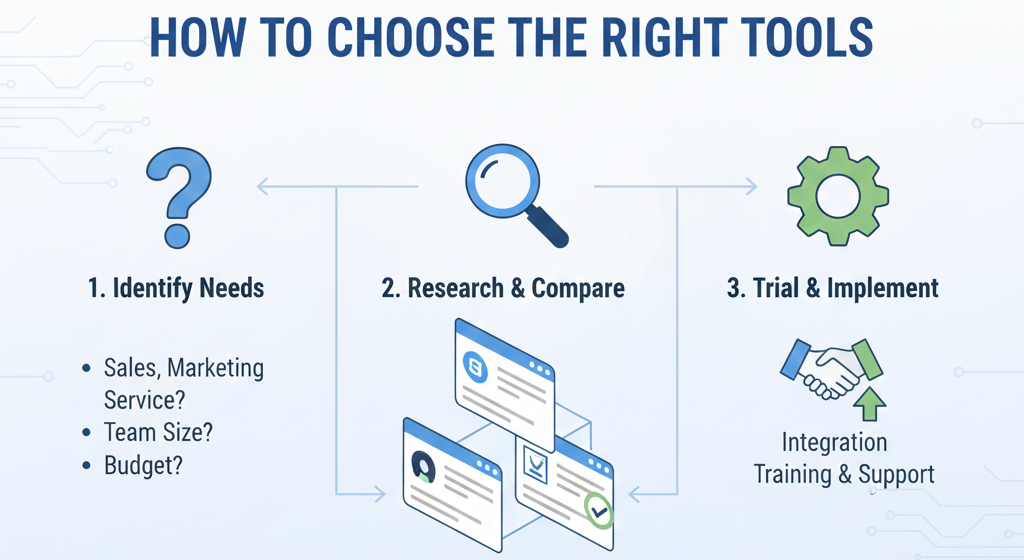
With countless SaaS options available, selecting the right stack can feel overwhelming. Consider the following steps:
-
Identify core business needs: Focus first on tools that directly impact productivity and customer experience.
-
Prioritize integration: Choose tools that work well together to avoid data silos.
-
Start with essential features: Begin with free or entry-level plans, then upgrade as you grow.
-
Review regularly: Business needs change—reassess your stack every quarter to eliminate redundancy and optimize spending.
Final Thoughts

The success of a startup depends not just on ideas, but how efficiently those ideas are executed. SaaS tools empower teams to automate, collaborate, and grow faster, no matter the stage of the business. By choosing tools that align with your goals and workflows, you create a foundation that supports innovation and long-term success.
Investing in the right SaaS stack now can drive productivity today and set your startup up for sustainable growth tomorrow.