

Top Project Management Software for Remote Teams: Compare Tools & Pricing

In today’s increasingly digital workplace, remote teams are no longer the exception—they’re the norm. Whether your team spans continents or just works from home occasionally, having the right project management software can make all the difference. In 2026, these tools have evolved into flexible, feature-rich platforms designed to improve collaboration, streamline workflows, and keep projects on track.
Here’s a breakdown of the top project management software for remote teams, comparing their key features, pricing, and overall value to help you find the best fit for your organization.
Why Project Management Software Matters for Remote Teams
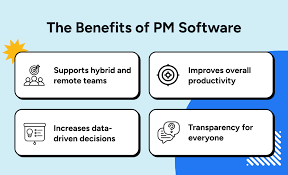
Remote work challenges often revolve around communication gaps, unclear task ownership, and disorganized information. Project management tools solve these problems by:
-
Centralizing communication and files
-
Assigning tasks with clear deadlines
-
Tracking progress and team performance
-
Integrating with popular tools like Slack, email, and cloud storage
-
Providing visibility across projects
In 2026, many platforms also include AI-assisted scheduling, automated reporting, and cross-team collaboration features tailored for distributed teams.
Best Project Management Tools for Remote Work
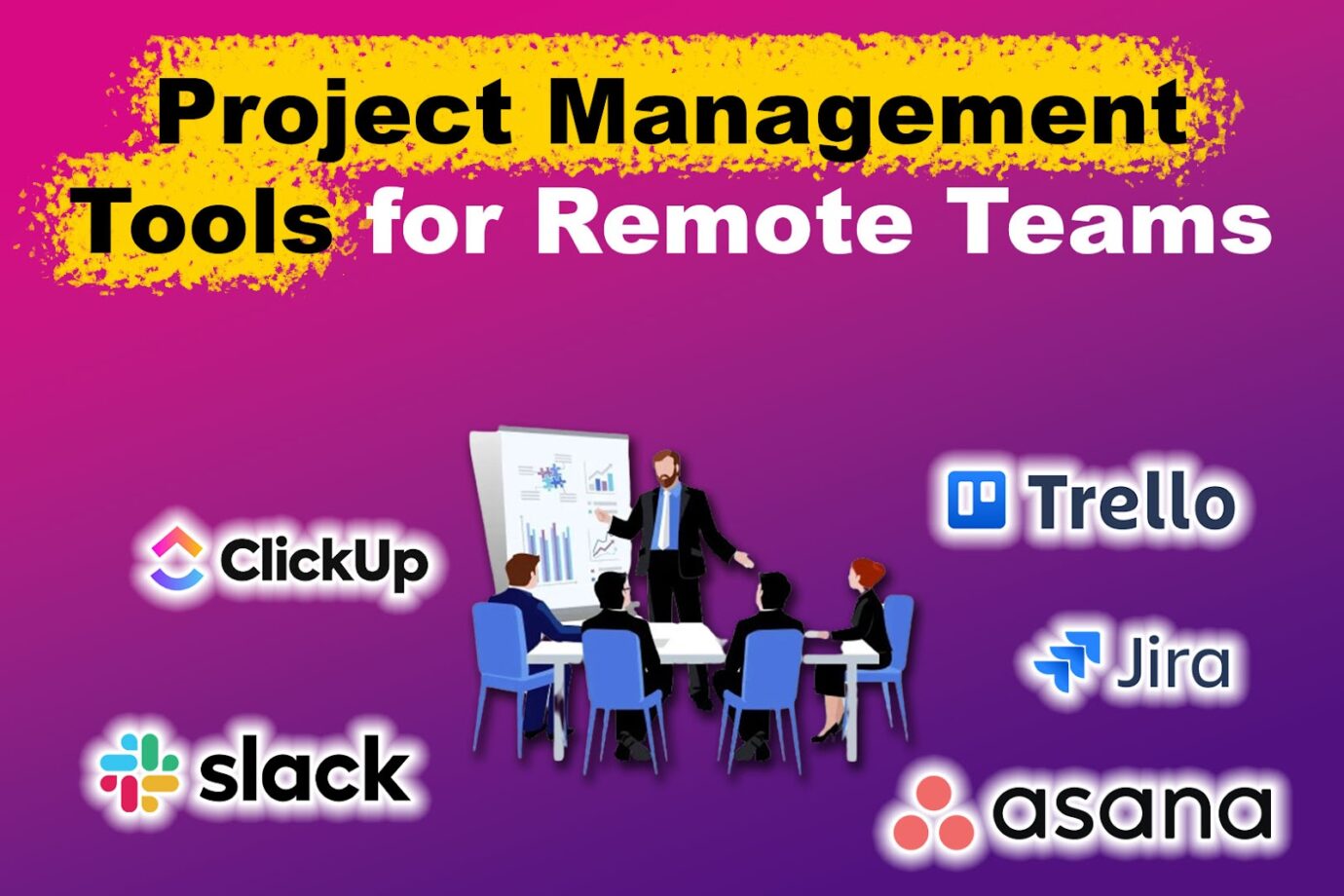
1. Asana
Best for: Flexible workflows and team collaboration
Key Features:
-
Customizable boards and timelines
-
Task dependencies and milestones
-
Real-time team updates
-
Integrations with communication tools
Pricing:
Tiered plans based on feature sets and number of users.
Review:
Asana remains a popular, user-friendly choice for teams that need flexibility. Its visual workflow tools help keep everyone on the same page without unnecessary complexity.
2. Trello
Best for: Simple boards and visual task tracking
Key Features:
-
Kanban-style boards and cards
-
Drag-and-drop task organization
-
Power-ups for automation and extensions
-
Easy onboarding for new users
Pricing:
Free plan with basic features; paid plans add automation and advanced integrations.
Review:
Trello excels at simplicity, making it ideal for small remote teams or projects with straightforward workflows. Its visual approach keeps work organized and accessible.
3. Jira
Best for: Software development and technical teams
Key Features:
-
Agile boards (Scrum and Kanban)
-
Backlog organization and sprint planning
-
Detailed reporting tools
-
Developer-friendly integrations
Pricing:
Subscription pricing based on users and feature requirements.
Review:
Jira is a powerful choice for engineering teams that need robust issue tracking and sprint management. While it has a steeper learning curve, its configurability is unmatched for technical workflows.
4. ClickUp
Best for: All-in-one project and task management
Key Features:
-
Multiple views (list, board, timeline, calendar)
-
Built-in docs and wikis
-
Goals and workload tracking
-
Automation and time tracking tools
Pricing:
Flexible pricing with free and premium options.
Review:
ClickUp stands out as an all-around platform suitable for teams of any size. Its wide range of features makes it a strong contender for teams seeking a single tool for multiple needs.
5. Monday.com
Best for: Customizable workflows and scalability
Key Features:
-
Color-coded boards and dashboards
-
Automations for repetitive tasks
-
Reporting and analytics
-
Integrations with many business apps
Pricing:
Plans range from basic to advanced, based on user count and features.
Review:
Monday.com combines powerful customization with a visually appealing interface. It’s a good option for teams that want tailored workflows and a high degree of control.
How to Choose the Right Tool for Your Team
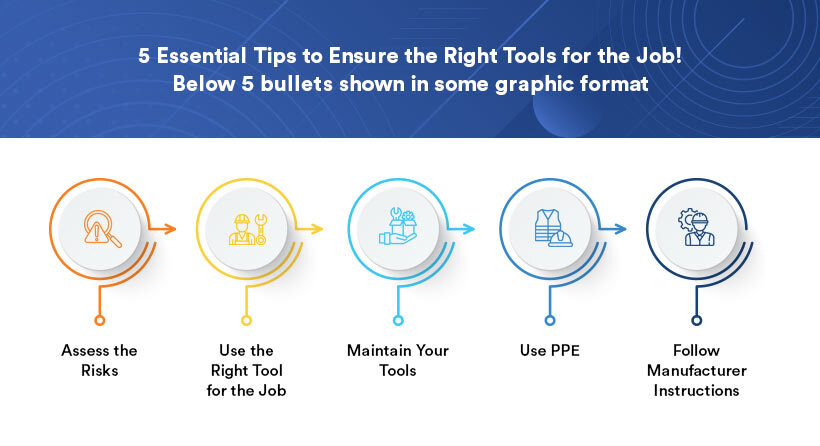
When comparing project management solutions, ask yourself:
-
What size is your team, and how fast are you growing?
-
Do you need advanced reporting or simple task tracking?
-
Which integrations are essential for your workflow?
-
How important is ease of use versus powerful customization?
There’s no one-size-fits-all answer—but by aligning your needs with the software’s strengths, you’ll find a solution that supports productivity and team cohesion.
Final Thoughts

Remote teams thrive on clarity, accountability, and seamless collaboration. In 2026, project management software has evolved to meet these needs with intuitive interfaces, powerful tools, and flexible pricing options. Whether you’re a small startup or a large distributed organization, the right tool can transform how your team works and delivers results.
Take the time to explore demos, compare pricing tiers, and test workflows with your team before committing to a platform. The investment in the right project management tool pays off in improved productivity, better communication, and more successful project outcomes.