

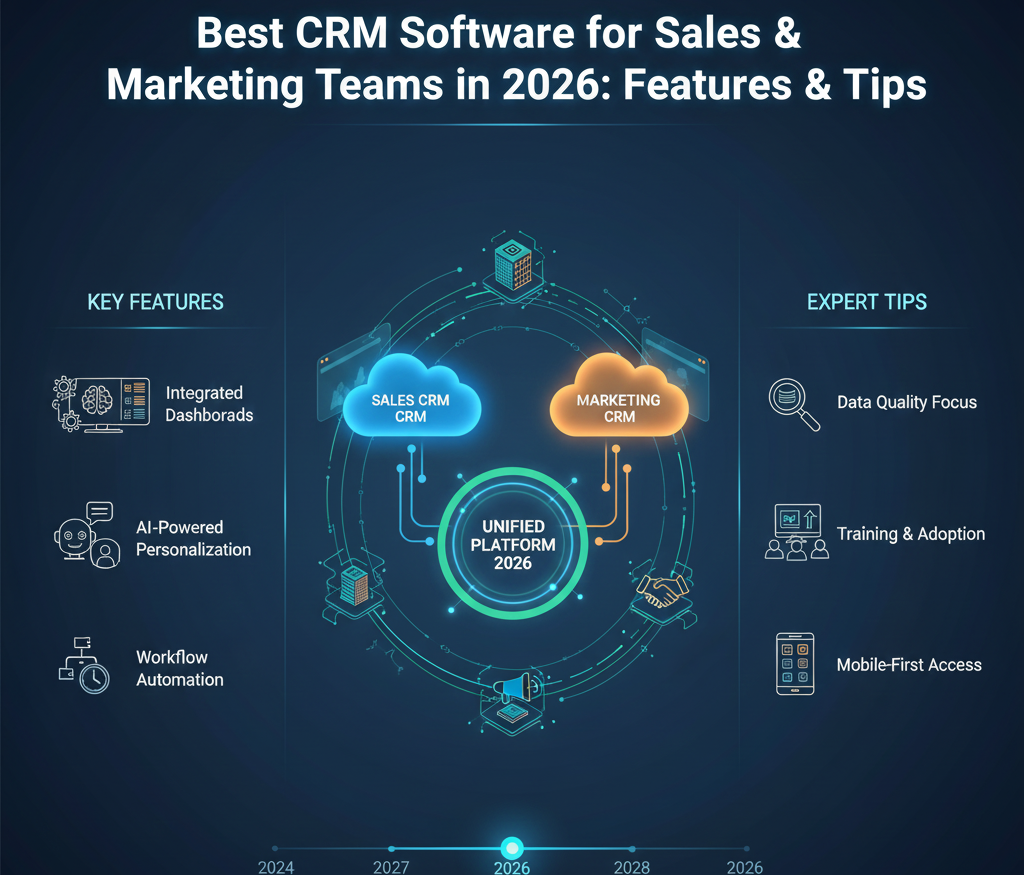
Best CRM Software for Sales & Marketing Teams in 2026: Features & Tips
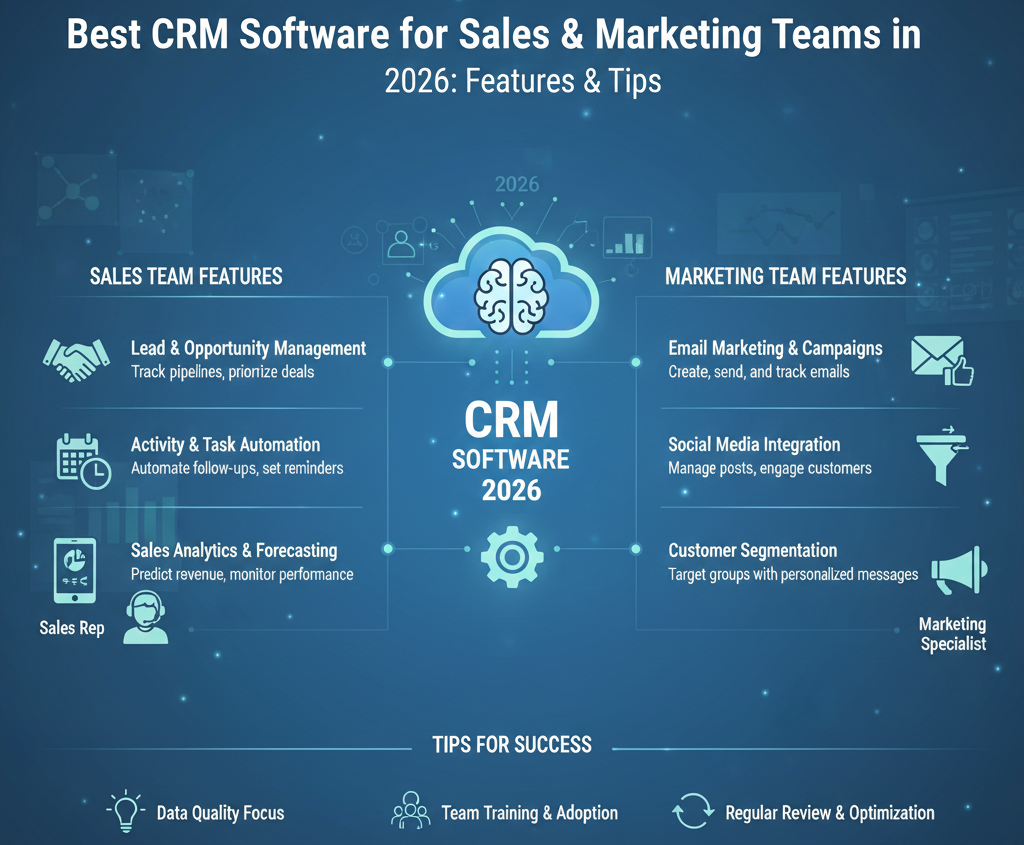
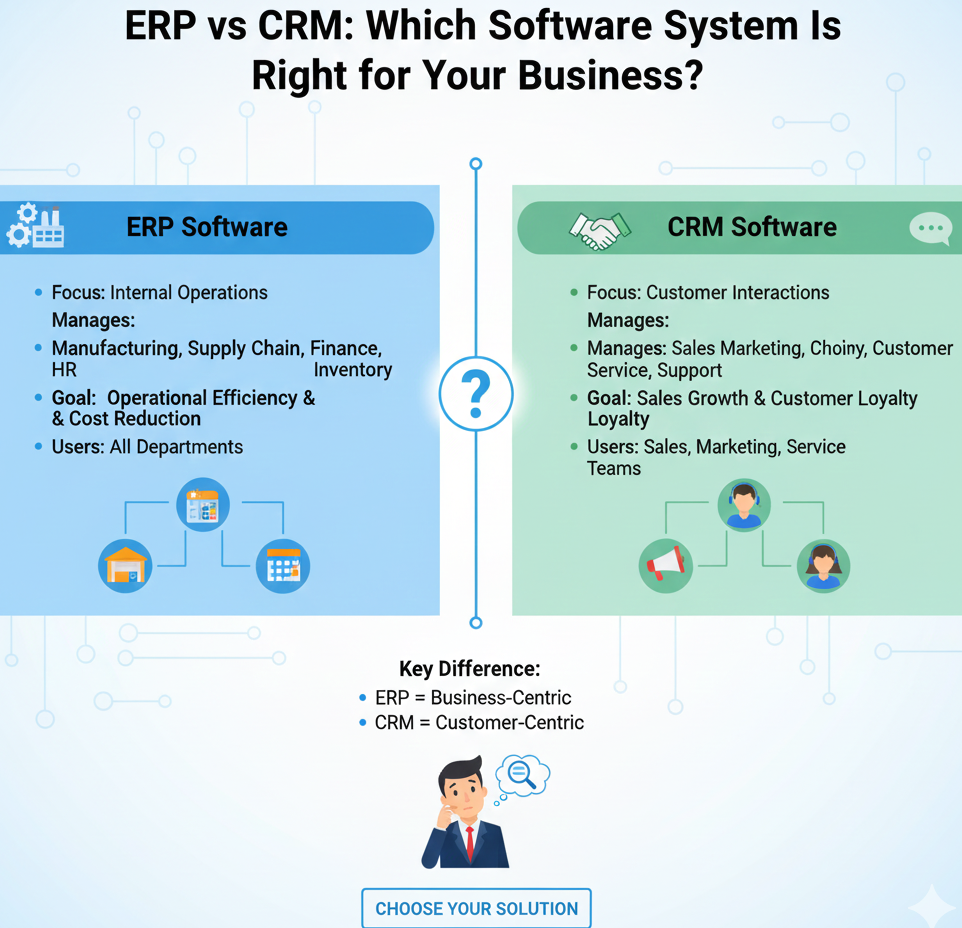
In an era where customer expectations are rising and competition is fiercer than ever, the right Customer Relationship Management (CRM) software has become essential for sales and marketing teams. A powerful CRM not only organizes contacts but also fuels growth by streamlining lead management, automating follow-ups, and turning data into actionable insights. As we step into 2026, CRM solutions are more advanced, integrating AI, analytics, and cross-channel engagement features that truly elevate team performance.
This guide highlights the best CRM software for sales and marketing teams, outlines must-have features, and offers practical tips to help you choose the platform that aligns with your goals.
Why CRM Matters for Sales & Marketing Teams
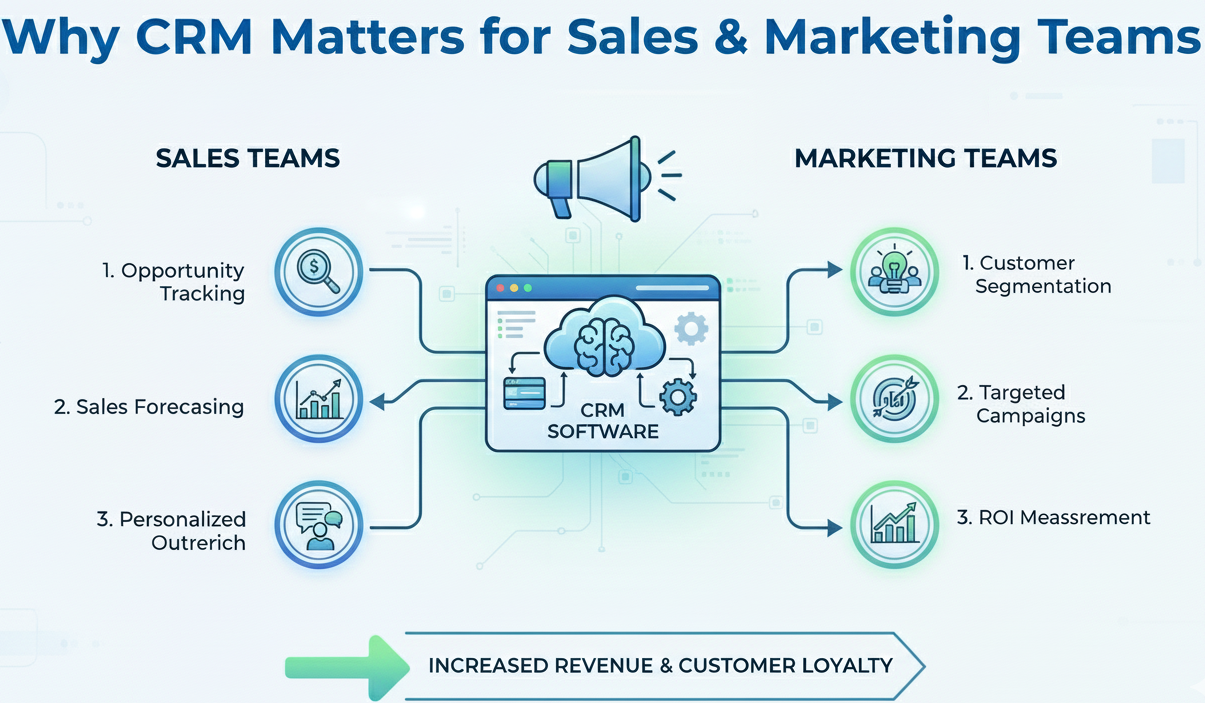
Sales and marketing teams need more than a digital address book—they need a system that:
-
Captures and organizes leads from multiple channels (web, social, email, events)
-
Automates engagement and follow-ups to nurture prospects efficiently
-
Tracks the customer journey from lead to closed deal
-
Enables personalized outreach powered by customer data
-
Measures performance with dashboards and reporting
In 2026, CRMs also leverage artificial intelligence to predict customer behavior, score leads, and recommend the best actions for your team.
Top CRM Software Options for 2026
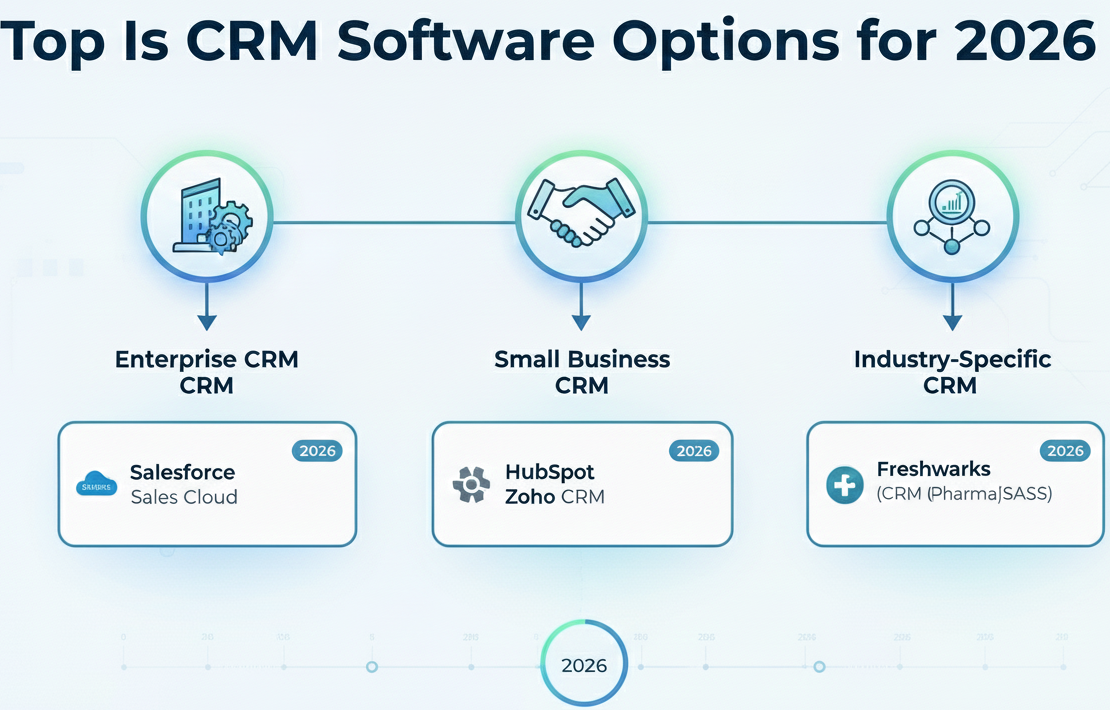
Below are some of the most recommended CRM platforms that empower sales and marketing teams to work smarter and grow faster.
1. HubSpot CRM
Best for: All-in-one growth platform
Why It Stands Out:
HubSpot remains a leader by combining CRM with marketing automation, sales pipelines, and customer support tools. Its intuitive interface and scalable tiers make it suitable for teams of all sizes.
Key Features:
-
Contact and deal tracking
-
Email sequences and automation
-
Built-in marketing tools (blogs, forms, ads)
-
Reporting dashboards
Great for: Teams that want to align sales and marketing on one platform.
2. Salesforce Sales Cloud
Best for: Enterprise sales teams
Why It Stands Out:
Salesforce is a powerhouse CRM with deep customization, advanced automation, and a robust ecosystem of apps and partners. It’s ideal for complex sales processes and large teams.
Key Features:
-
AI-driven insights with Salesforce Einstein
-
Custom workflows and reporting
-
Scalable enterprise features
-
Extensive third-party integrations
Great for: Organizations that need scale, customization, and powerful analytics.
3. Zoho CRM
Best for: Cost-effective and customizable solution
Why It Stands Out:
Zoho CRM delivers solid features at a competitive price point, with tools for sales automation, scoring, and multi-channel communication. Its modular design lets teams start simple and add capabilities over time.
Key Features:
-
Lead scoring and assignment
-
Multi-channel engagement (email, phone, social)
-
Workflow automation
-
AI recommendations
Great for: Growing teams on a budget who still need professional capabilities.
4. Pipedrive
Best for: Visual sales pipeline management
Why It Stands Out:
Pipedrive puts your sales pipeline front and center with a clean, visual interface that makes tracking deals intuitive. It’s especially popular with small to mid-sized sales teams.
Key Features:
-
Drag-and-drop pipeline views
-
Customizable stages and activities
-
Email integration and reminders
-
Performance insights
Great for: Teams focused on closing deals and managing pipelines visually.
5. Freshsales (Freshworks CRM)
Best for: Built-in communication tools
Why It Stands Out:
Freshsales integrates phone, email, chat, and activity tracking directly into the CRM. Its AI assistant, Freddy, helps with lead scoring and predictive insights.
Key Features:
-
In-app calling and messaging
-
AI-based lead scoring
-
Built-in chat and bot automation
-
Behavior tracking
Great for: Teams that want communication and CRM in one workflow.
Must-Have CRM Features for Sales & Marketing in 2026
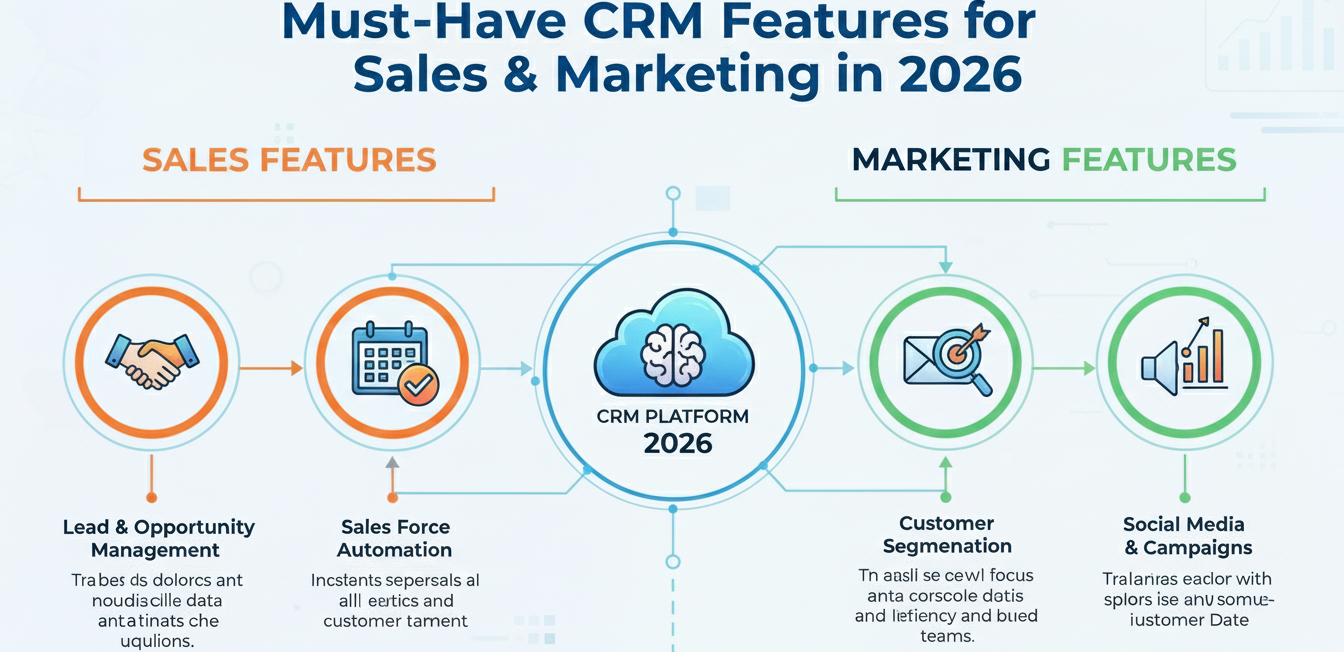
When evaluating CRM solutions, prioritize these modern capabilities:
1. Unified Contact Database
All customer interactions and touchpoints should live in one central place.
2. Marketing Automation
Automate email campaigns, nurturing sequences, and lead scoring.
3. Sales Pipeline Management
Drag-and-drop tools and customizable stages to track deals and forecast revenue.
4. AI & Predictive Analytics
Leverage insights that help identify high-value leads and recommend next actions.
5. Multi-Channel Engagement
Support for email, SMS, chat, social media, and other communication channels.
6. Reporting & Dashboards
Visual analytics that measure team performance, campaign ROI, and lead conversion.
Tips for Choosing the Right CRM
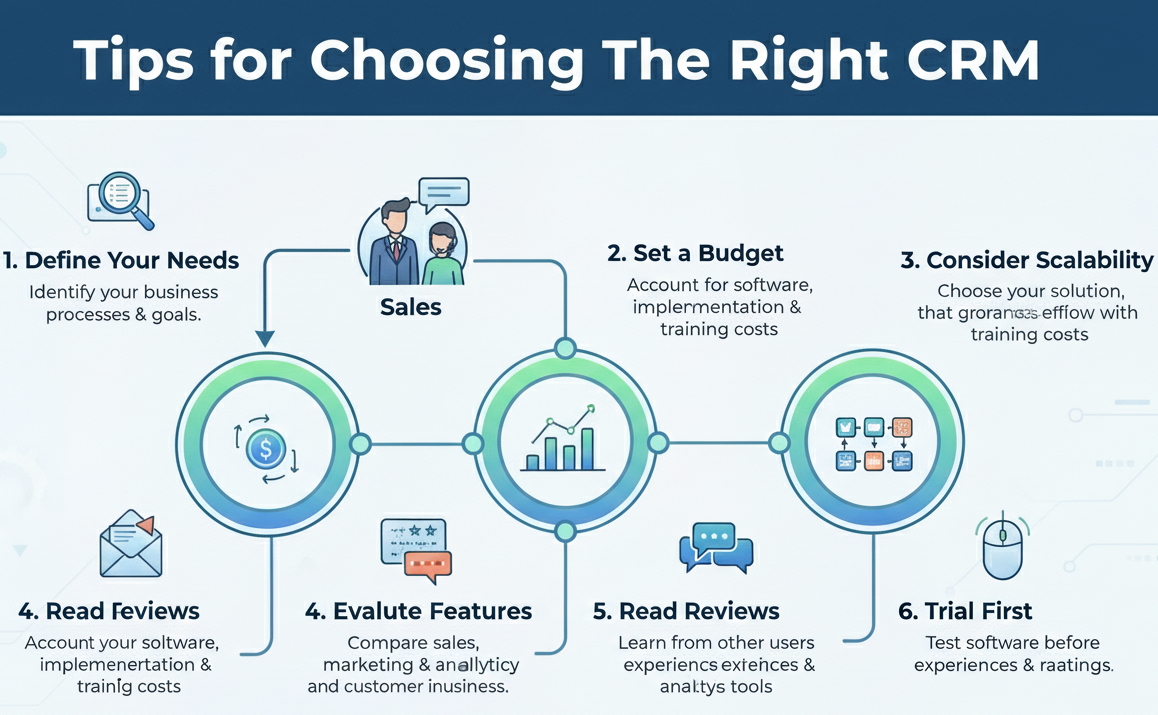
Selecting a CRM is a strategic decision and should be based on your team’s unique needs:
1. Define Your Objectives
Are you focused on lead generation, sales acceleration, customer retention, or all three? Clarify your priorities before comparing features.
2. Consider Team Size & Skills
Some CRM platforms shine with simple setup and ease of use, while others offer depth for more complex processes. Choose one that matches your team’s experience.
3. Evaluate Integration Needs
Your CRM should connect with tools you already use—email platforms, calendars, automation tools, and marketing systems.
4. Look for Scalability
Invest in a solution that supports growth without forcing you into a new platform as your business evolves.
5. Use Trials & Demos
Take advantage of free trials or guided demos to see how a CRM performs in real scenarios before committing.
Final Thoughts
CRM software for sales and marketing teams in 2026 is more powerful, intelligent, and interconnected than ever. Whether you’re a small team just getting started or a large enterprise looking to align thousands of data points, there’s a CRM designed to fit your goals.
By focusing on tools that unify customer data, automate routine tasks, and surface real insights, your teams can achieve stronger relationships, better conversions, and sustainable growth in a competitive landscape.